
A Comprehensive Guide to Selecting the Right PTO Shaft
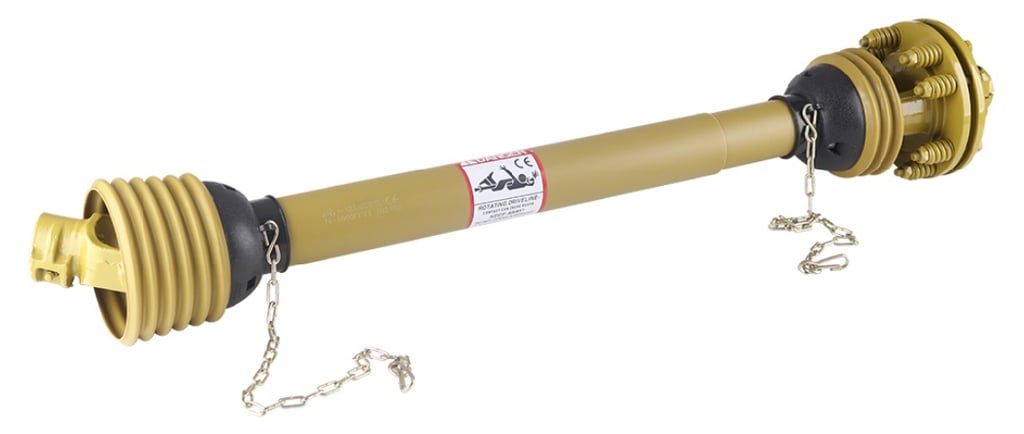
Understanding PTO Shafts
Power Take-Off (PTO) shafts are essential components used in various machinery, facilitating the transfer of power from the tractor or engine to implement attachments. Selecting the right PTO shaft is crucial for ensuring optimal performance and safety in operation. This guide aims to provide buyers with key parameters to consider when making their choice.
Key Parameters for Selection
When selecting a PTO shaft, several factors come into play that can significantly influence the shaft's compatibility and effectiveness. Below, we discuss the most critical parameters to help you make an informed decision:
1. Horsepower Rating
The horsepower rating of the PTO shaft is one of the primary considerations. It indicates the amount of power that the shaft can handle without risk of damage or failure. Buyers should match the horsepower rating of the PTO shaft to that of the tractor or implement. Exceeding this rating could lead to overheating or mechanical failure, while undershooting may result in insufficient performance.
2. Operating Angle
The operating angle of the PTO shaft is another vital aspect. This refers to the angle at which the shaft operates during use. Operating too far beyond the designed angle can shorten the lifespan of the shaft and decrease efficiency. It is crucial to check the manufacturer’s specifications regarding the recommended operating angles to ensure the selected shaft is appropriate for its intended application.
3. Shaft Length
Measuring the correct shaft length is essential for ensuring proper connectivity between the tractor and the implement. A PTO shaft that is too long may not connect securely, while one that is too short can lead to excessive wear and potential failure. When measuring, ensure that you account for the fully extended length as well as any adjustments needed for movement during operation.
4. Spline Size
Spline size determines the shaft's connection to various implements and tractors. It is expressed in terms of the number of splines, and it is important to match the spline size of the PTO shaft with the corresponding connection of the tractor or implement. Incorrect spline sizes can lead to improper fastening, resulting in power loss and mechanical complications.
5. Connection Type
Finally, understanding the connection type is integral to selecting a suitable PTO shaft. There are different types of connections, such as fixed or quick-disconnect fittings. Assess your specific requirements to determine which connection type will work best for your setup. A reliable connection is imperative for safe and efficient operation.
Conclusion
In summary, selecting the appropriate PTO shaft involves careful consideration of several factors, including horsepower rating, operating angle, shaft length, spline size, and connection type. Proper attention to each of these parameters ensures optimal functionality and longevity of both the PTO shaft and the equipment it connects to. Always consult with manufacturers or suppliers for expert guidance to ensure the best selection for your specific needs.
Quality
Expert driveshaft manufacturing with 20 years experience.
GET IN TOUCH
Tel:+86-571 88065675 | +86-571 88842852
E-mail:oceanindustry@vip.163.com
Fax:+86-571 88844378
Address:4th Floor, Block 2, Qianjiang Century Industrial Park, 2327 Hongning Road,Ningwei Town,Hangzhou, China
© 2005. All rights reserved.