
Common Failures of PTO Shafts: Causes and Diagnosis
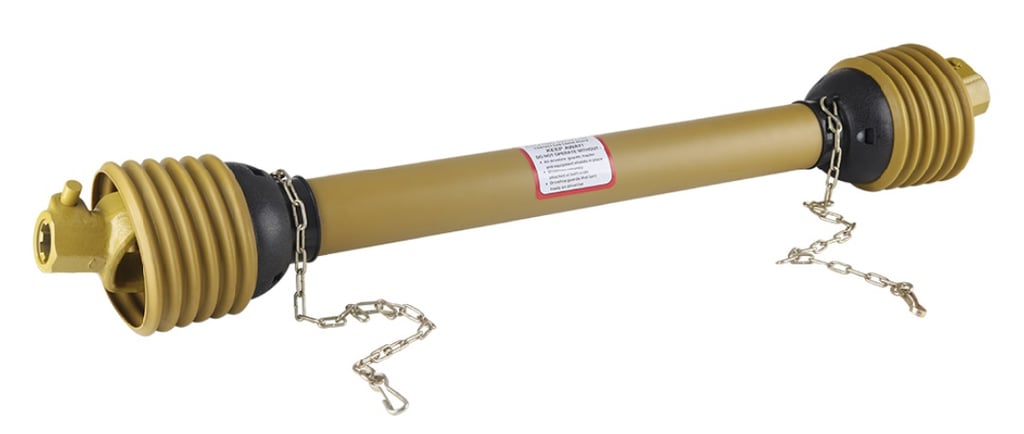
Understanding PTO Shafts
Power Take-Off (PTO) shafts are essential components in agricultural and industrial machinery, transferring power from the vehicle's engine to other implements. However, like any mechanical part, PTO shafts can experience common failures that may compromise the effectiveness of the machinery and lead to costly repairs. In this article, we will analyze some of the most frequent issues related to PTO shafts, including vibration, noise, yoke breakage, bearing failure, and premature wear, along with tips for simple diagnosis.
Vibration and Noise Issues
Vibration and noise are two prevalent symptoms indicating a problem with PTO shafts. These disturbances can arise from misalignment, imbalance, or excessive wear on the driveline components. A misaligned PTO shaft can vibrate due to an unequal distribution of weight along its length, leading to inefficient power transfer and potential damage to both the shaft and connected implements. In addition, worn u-joints can cause increased noise and vibrations.
To diagnose this issue, examine the alignment of the PTO shaft and ensure that it is connected securely. Perform a visual inspection of the u-joints and bearings for signs of wear or damage. Balancing the shaft can effectively mitigate excessive vibrations. If the problem persists, additional investigation into the associated drive components may be necessary.
Yoke Breakage and Bearing Failure
Yoke breakage is another common failure that can result from wear and tear or improper handling of PTO shafts. Yokes form the connection between the tractor and the implement. If a yoke is bent or broken, power transfer is interrupted, and it can lead to significant machinery downtime. Similarly, bearing failure can occur due to improper lubrication, contamination, or excessive load. If a bearing has worn out, it can cause the shaft to seize, leading to a complete failure.
To identify potential yoke issues, inspect the yoke for signs of bending or cracking. Furthermore, check bearings for smooth operation. If you find any stiffness or roughness when turning by hand, the bearings may need replacement. Regular lubrication according to the manufacturer's specifications can also prevent premature bearing failure and extend the lifespan of the PTO shaft.
Premature Wear Causes and Prevention
Premature wear of PTO shafts can significantly reduce their lifespan and efficiency. Factors contributing to this issue include lack of maintenance, exposure to dirt and debris, and improper operation practices. Prolonged use under extreme conditions—such as heavy loads or high speeds—can exacerbate wear and tear.
Effective maintenance involves regularly cleaning PTO shafts and lubricating the joints appropriately. It is also important to adhere to the manufacturer's guidelines regarding operational limits, as exceeding these can lead to early failure. Routine inspections can help in identifying and addressing potential issues before they lead to major breakdowns.
In conclusion, understanding and addressing common failures of PTO shafts is vital for maintaining the efficiency of machinery. By recognizing the signs of vibration, noise, yoke breakage, bearing failure, and premature wear, and employing simple diagnosis techniques, operators can protect their equipment and ensure long-lasting performance.
Quality
Expert driveshaft manufacturing with 20 years experience.
GET IN TOUCH
Tel:+86-571 88065675 | +86-571 88842852
E-mail:oceanindustry@vip.163.com
Fax:+86-571 88844378
Address:4th Floor, Block 2, Qianjiang Century Industrial Park, 2327 Hongning Road,Ningwei Town,Hangzhou, China
© 2005. All rights reserved.