
Heat Treatment and Material Selection for PTO Shafts and Yokes: A Comparative Analysis
Introduction
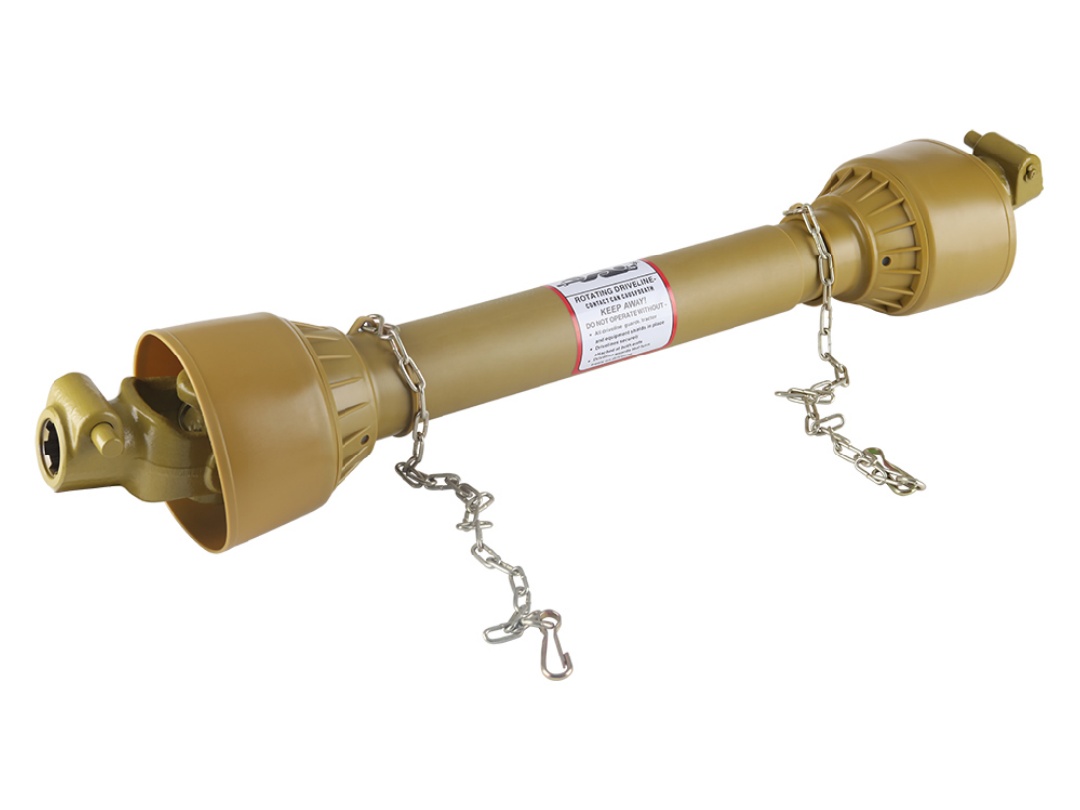
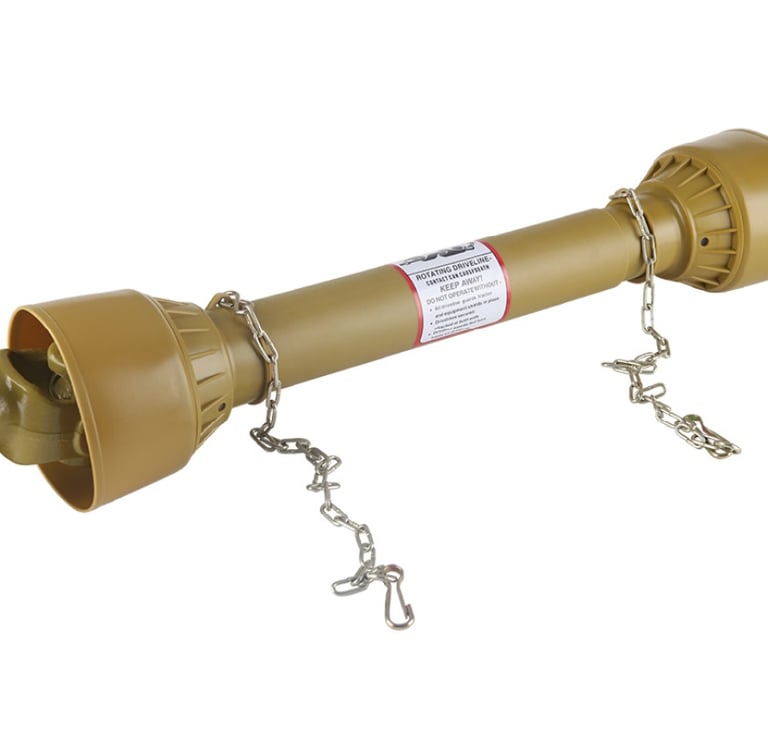
PTO (Power Take-Off) shafts and yokes play a crucial role in agricultural and industrial machinery by transmitting power from one component to another. Therefore, selecting the right materials and employing effective heat treatment processes are vital for ensuring these components endure demanding conditions while maintaining strength and durability.
Material Selection: Carbon Steel vs. Alloy Steel
When it comes to material selection, carbon steel and alloy steel are the two primary options for PTO shafts and yokes. Carbon steel is known for its excellent machinability and sufficient strength when used in less demanding applications. However, it tends to have lower toughness and ductility compared to alloy steel.
On the other hand, alloy steel contains additional elements such as chromium, nickel, and molybdenum, which enhance its mechanical properties significantly. This results in superior strength, durability, and resistance to wear compared to carbon steel. Consequently, for applications requiring higher performance, alloy steel is often the preferred choice.
Heat Treatment Processes: Quenching, Tempering, and Carburizing
The heat treatment process has a profound impact on the mechanical properties of the selected materials. Several methods can be utilized, including quenching, tempering, and carburizing.
Quenching involves rapidly cooling the heated metal, typically by immersion in water or oil. This process increases the hardness of the material, which is essential for components like PTO shafts that routinely face high stresses. However, the brittleness can rise, highlighting the need for subsequent tempering.
Tempering is a heat treatment process aimed at reducing the brittleness introduced during quenching. By reheating the steel to a specified temperature and allowing it to cool gradually, tempering enhances toughness, effectively balancing the hardness and ensuring that the shafts and yokes can withstand operational stresses without fracturing.
Carburizing, on the other hand, is specifically beneficial for components that require a hard surface combined with a tougher core. This process introduces carbon to the surface layer of the steel. As a result, it significantly increases the hardness of the outer layer while maintaining the ductility of the core, making it particularly well-suited for applications involving high surface wear, such as PTO shafts operating in rugged terrains.
Comparative Analysis: Which Option is Best?
The decision between carbon steel and alloy steel, coupled with the appropriate heat treatment process, hinges on the intended application of the PTO shafts and yokes. For standard applications with moderate stress, carbon steel may suffice when appropriately treated, combining cost-effectiveness with reliable performance.
Conversely, for high-performance applications requiring exceptional strength and durability, alloy steel combined with quenching and tempering—or even carburizing for added surface hardness—proves to be the optimal choice. Ultimately, understanding the nuances of materials and heat treatment processes is essential for manufacturing PTO components capable of enduring rigorous operational demands.
Quality
Expert driveshaft manufacturing with 20 years experience.
GET IN TOUCH
Tel:+86-571 88065675 | +86-571 88842852
E-mail:oceanindustry@vip.163.com
Fax:+86-571 88844378
Address:4th Floor, Block 2, Qianjiang Century Industrial Park, 2327 Hongning Road,Ningwei Town,Hangzhou, China
© 2005. All rights reserved.