
Understanding the Structure and Function of PTO Shafts in Agricultural and Industrial Machinery
Introduction to PTO Shafts
The Power Take-Off (PTO) shaft is a crucial component in many agricultural and industrial machines. Designed to transfer mechanical energy from a power source to various attachments, PTO shafts serve as a pivotal link between tractors and the implements they drive. Understanding a PTO shaft's structure and working principle is essential for engineers, buyers, and maintenance technicians involved in machinery operations.
Key Components of a PTO Shaft
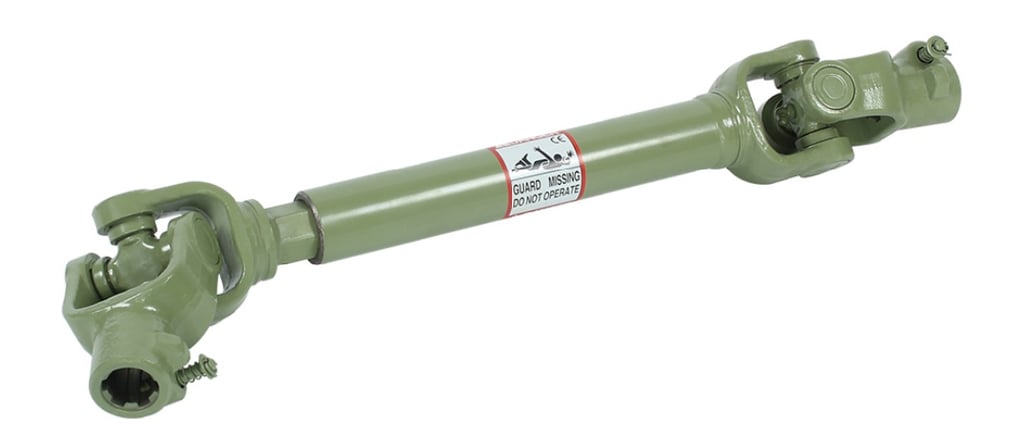
A typical PTO shaft consists of several key components that work in unison to ensure effective power transmission. These components include yokes, universal joints, cross bearings, profiles, telescopic tubes, and safety shields.
Yokes: The yoke is the connection point between the tractor and the implement. It allows the PTO to engage with the machinery while permitting rotational movement.
Universal Joints: These joints facilitate the transfer of power at varying angles, enabling the PTO shaft to maintain power transmission even when the tractor and implement are not perfectly aligned.
Cross Bearings: Cross bearings support the universal joints, allowing them to pivot smoothly while managing the torque exerted during operation.
Profiles: The profile of the PTO shaft refers to its shape and design, which impacts its ability to handle different loads and stresses during operation.
Telescopic Tubes: These tubes accommodate the extension and retraction necessary for different implement lengths, providing versatility in various agricultural tasks.
Safety Shields: Safety shields protect users from exposure to the rotating components of the PTO shaft, reducing the risk of injury during operation.
Working Principle of PTO Shafts
The functioning of a PTO shaft revolves around its ability to transmit torque efficiently. When the tractor engine operates, power flows through the PTO system to the shaft. As the shaft rotates, the universal joints allow the shaft to maintain connectivity with the implement despite potential angular misalignments.
This angle flexibility is crucial because, in practical applications, the tractor and the implement often operate at various inclinations. The universal joints and cross bearings ensure that the torque is transmitted effectively, regardless of these challenges. This capability enhances the performance of agricultural implements, such as mowers, tillers, and balers, making the PTO shaft indispensable.
The Importance of PTO Shafts in Agriculture
PTO shafts play an integral role in enhancing productivity within both agricultural and industrial settings. They are essential for driving a range of equipment that boosts efficiency and effectiveness in various tasks. For instance, without a reliable PTO shaft, the functionality of crucial agricultural tools would be compromised, impacting crop production and economic returns.
Furthermore, proper maintenance and understanding of PTO shaft mechanics can lead to improved operational safety and reduced downtime. Technicians and engineers must remain vigilant about the maintenance of these components to prevent any mechanical failures that could result in costly repairs or replacements.
In conclusion, a solid understanding of the PTO shaft's structure and function is essential for anyone involved in agriculture or industrial machinery. By comprehending how these components interact, users can ensure that their tractors and implements operate smoothly and efficiently, ultimately leading to enhanced productivity on the field.
Quality
Expert driveshaft manufacturing with 20 years experience.
GET IN TOUCH
Tel:+86-571 88065675 | +86-571 88842852
E-mail:oceanindustry@vip.163.com
Fax:+86-571 88844378
Address:4th Floor, Block 2, Qianjiang Century Industrial Park, 2327 Hongning Road,Ningwei Town,Hangzhou, China
© 2005. All rights reserved.