
Common Failures of PTO Shafts: An Analytical Overview
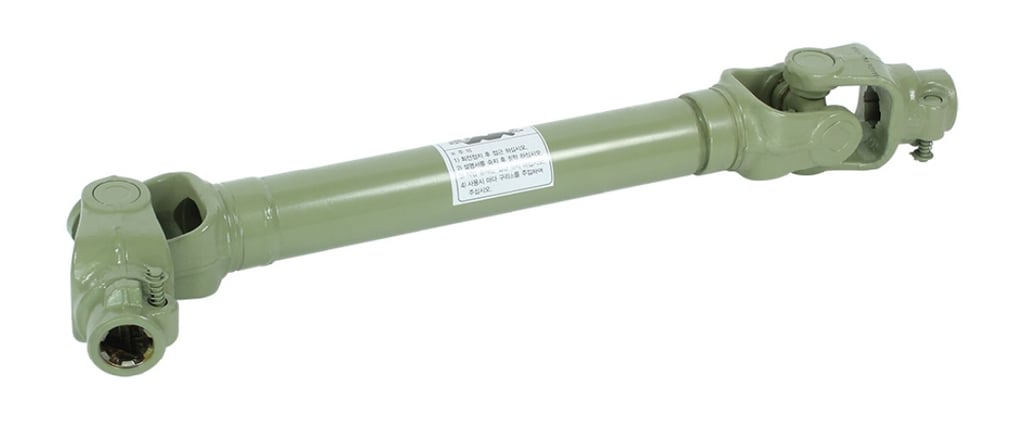
Understanding PTO Shaft Failures
Power Take-Off (PTO) shafts are critical components in various agricultural and industrial machinery, transmitting power from the engine to auxiliary equipment. However, these shafts are prone to several failures that can impede functionality and lead to costly repairs. In this analysis, we will explore common issues such as abnormal noise, vibration, yoke breakage, universal joint wear, overheating, and premature failure, as well as their root causes.
Common Failure Modes
Abnormal noise and vibration are often the first indicators of PTO shaft dysfunction. When there is misalignment within the system, the operating efficiency of the PTO shaft diminishes, resulting in harsh vibrations and noise. These symptoms can stem from improper installation or wear of connecting components.
Yoke breakage and universal joint wear are also pertinent issues. The yoke connects the PTO shaft to the implement, while the universal joint facilitates the required flexibility in operation. Overloading the PTO shaft beyond its rated capacity is a frequent cause of these failures, leading to significant wear and tear over time.
Overheating is yet another significant symptom, often associated with insufficient lubrication. Proper lubrication is vital to minimize friction within the bearings and joints. When the system is not well-lubricated, the heat generated can lead to component degradation and eventual failure.
Finally, premature failure of the PTO shaft can occur due to a combination of the aforementioned factors. Joints and bearings may deteriorate faster than expected if subjected to misalignment, overload, or poor maintenance, necessitating early replacement. Understanding these common failure modes is the first step in ensuring the longevity of PTO shafts.
Root Causes of PTO Shaft Failures
Misalignment is perhaps the most critical root cause of PTO shaft failures. When components are misaligned, stress is unevenly distributed, leading to accelerated wear. Ensuring that the PTO shaft is correctly aligned is essential for operational efficiency.
Overload is another primary contributor. Operators must adhere to the manufacturer's guidelines regarding the maximum load the PTO shaft can handle. Exceeding this threshold introduces excessive stress on the component, resulting in premature breakdowns.
Poor lubrication and preventive maintenance can exacerbate the situation. Without adequate lubrication, parts can overheat and wear out quickly. It is imperative to regularly inspect and maintain lubrication levels to ensure optimal performance of the PTO shaft.
Finally, improper installation can set the stage for multiple failures. Care should be taken during installation to follow the recommended procedures and torque specifications to prevent issues down the line.
Troubleshooting Steps
Begin troubleshooting by listening for abnormal noises and vibrations during operation, as these can provide immediate clues to underlying issues. Check the alignment of the PTO shaft and adjust as necessary. Regularly inspect the universal joints and yokes for any signs of wear or breakage.
Ensure proper lubrication is maintained by checking grease levels frequently. If overheating is noted, it might be necessary to reassess the operating conditions or load placed on the PTO shaft.
Regularly engaging in preventive maintenance can significantly reduce the risk of failures. Schedule periodic checks to ensure that all components are functioning as intended and maintain proper records of inspections and repairs to track performance over time. By understanding common failures and implementing proactive maintenance strategies, operational downtime and repair costs can be minimized significantly.
Quality
Expert driveshaft manufacturing with 20 years experience.
GET IN TOUCH
Tel:+86-571 88065675 | +86-571 88842852
E-mail:oceanindustry@vip.163.com
Fax:+86-571 88844378
Address:4th Floor, Block 2, Qianjiang Century Industrial Park, 2327 Hongning Road,Ningwei Town,Hangzhou, China
© 2005. All rights reserved.