
The Ultimate Buying Guide for PTO Shafts and Yokes
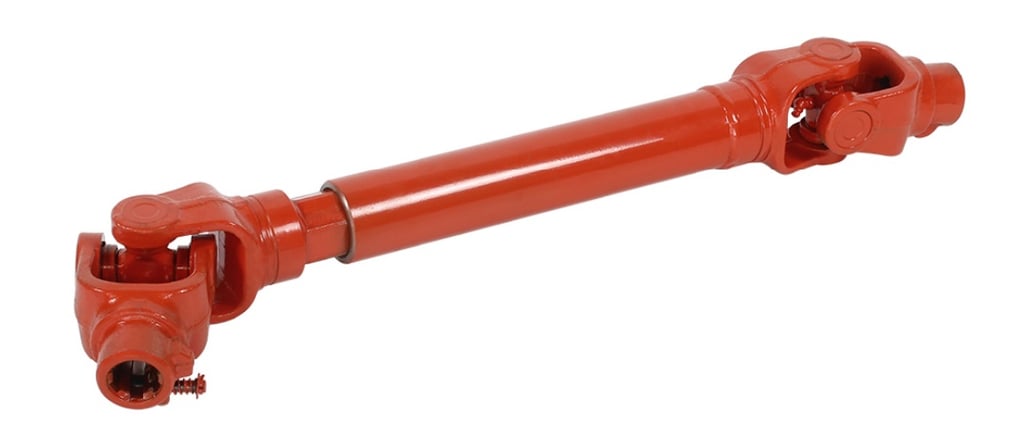
Understanding PTO Shafts and Yokes
PTO, or Power Take-Off shafts, are essential components in various agricultural and industrial machinery. They serve as a mechanism to transmit mechanical power from an engine to another machine or implement. For instance, a tractor can utilize a PTO shaft to drive attachments such as mowers or tillers. The fundamental design usually comprises a series of splines or notches that engage with corresponding components to ensure a firm connection while allowing for rotational movement.
PTO shafts typically consist of several key components, including the shaft itself, yokes, and sometimes additional couplings or guards. The yoke is crucial as it connects the PTO shaft to the power source and the implement, permitting rotation while accommodating any misalignment between the tractor and the attachment. By ensuring a smooth transfer of power, these components are vital for the effective operation of agricultural machinery, preventing potential failures and enhancing overall efficiency.
There are distinct types of PTO shafts available on the market, each tailored for specific applications. The most common types include fixed-length PTO shafts, which are designed for consistent connections with minimal adjustments, and telescoping PTO shafts, which allow for variable lengths to accommodate different equipment setups. Additionally, there are specialty PTO shafts designed for particular machines or tasks, such as those intended for high-speed operation or heavy-duty applications. Understanding these variations and their appropriate applications is crucial for buyers aiming to select the right PTO shaft and yoke combination for their needs.
Identifying High-Quality PTO Shafts and Yokes
When purchasing PTO (Power Take-Off) shafts and yokes, it is crucial to identify high-quality components to ensure safety, durability, and functionality. Several key characteristics can help buyers distinguish superior products from subpar ones. One of the primary factors is the material used in the construction of the PTO shafts and yokes. High-quality products are typically made from robust materials such as high-strength steel or aluminum, which offer enhanced resistance to wear and fatigue. Conversely, low-quality variants may use inferior metals or plastic, leading to premature failure.
Another important aspect to consider is the craftsmanship of the PTO shafts and yokes. Well-manufactured components exhibit precise machining and tight tolerances, ensuring a perfect fit and efficient power transfer. It is advisable to inspect the surfaces for any signs of roughness, irregularities, or poor welding, as these can significantly impact performance and safety. A reputable brand will often provide detailed specifications and certifications to underline the quality of their products, making it easier for buyers to make informed decisions.
Visual inspections are beneficial when seeking high-quality components. Look for markings, such as product codes or manufacturer logos, that indicate a trusted brand. A polished finish often suggests thorough quality control processes, whereas rust and corrosion may signify outdated stock or improper handling. Additionally, buyers should seek recommendations from professionals or consult online reviews to gauge the reliability of specific brands.
The significance of selecting durable and reliable PTO shafts and yokes cannot be overstated, as these components directly affect the safety and efficiency of machinery. Therefore, investing in high-quality parts not only enhances performance but also reduces the risk of accidents and mechanical failures. By adhering to these guidelines, buyers can assuredly enhance their procurement process.
Common Purchasing Mistakes to Avoid
When acquiring PTO shafts and yokes, buyers often encounter a range of common pitfalls that can adversely affect their investment. One of the most significant mistakes is failing to ensure compatibility with existing equipment. It is crucial to verify that the PTO shaft and yoke match not only in size and specifications but also in design and functionality. Ignoring this aspect can lead to costly modifications or even complete replacement of equipment.
Another frequent oversight is disregarding the manufacturer’s guidelines when selecting PTO components. Manufacturers provide vital information regarding torque specifications, load capacities, and operating requirements. Not adhering to these directives can result in malfunction and premature wear, thereby increasing the overall expenditure associated with repairs and replacements.
Buyers often overlook the importance of warranties as well. A warranty serves as a safeguard against defects and operational failures, providing financial protection in the event of an issue. Selecting PTO shafts and yokes without a warranty can lead to unexpected expenses, as replacements may not be covered. It is advisable to conduct thorough research on warranty terms before finalizing a purchase.
Additionally, the decision-making process can be hindered by insufficient assessment of the product’s quality. Investing in low-quality or generic parts may save money initially, but the long-term implications, such as decreased efficiency and increased maintenance costs, may surpass the initial savings.
To avoid these mistakes, potential buyers should conduct comprehensive research and create a checklist based on compatibility, manufacturer specifications, warranty details, and product quality criteria. Seeking guidance from industry professionals can also significantly contribute to making informed decisions that enhance operational efficiency and reduce costs in the long run.
Measuring Dimensional Accuracy and Testing Load Capacity
When purchasing Power Take-Off (PTO) shafts and yokes, ensuring dimensional accuracy is fundamental for effective operation and compatibility with equipment. Dimensional accuracy refers to how closely the physical dimensions of a PTO shaft or yoke correspond to the specifications. A precise fit helps to prevent unnecessary wear and tear, operational inefficiencies, and potential safety hazards.
To measure dimensions correctly, buyers should use calibrated measuring tools such as calipers and micrometers, which provide precise readings of diameters, lengths, and widths. One should also pay close attention to important specifications such as the diameter of the shaft, the length of the yoke, and the alignment of connector points. Verifying tolerances against industry standards is essential; even the slightest deviation can result in malfunctions or reduced performance.
In addition to measuring dimensions, it is equally important to test the load capacity of PTO shafts. This involves assessing whether a PTO shaft can withstand the intended operational loads without failing. Load tests often use standard equipment setups and weight measurements to evaluate performance under simulated conditions. Common test methods include static load tests, fatigue tests, and dynamic load tests, all of which help determine how much weight a PTO shaft can effectively manage during operation.
Understanding these key factors—dimensional accuracy and load capacity testing—enhances the buyer's ability to make informed decisions while navigating the market for PTO shafts and yokes. Buyers are encouraged to prioritize suppliers who provide documentation and specifications that validate the accuracy and load capability of their products, ensuring long-term reliability and performance.
Quality
Expert driveshaft manufacturing with 20 years experience.
GET IN TOUCH
Tel:+86-571 88065675 | +86-571 88842852
E-mail:oceanindustry@vip.163.com
Fax:+86-571 88844378
Address:4th Floor, Block 2, Qianjiang Century Industrial Park, 2327 Hongning Road,Ningwei Town,Hangzhou, China
© 2005. All rights reserved.