
A Comprehensive Guide to PTO Drive Shaft Selection and Safety for Agricultural Implements
Introduction to PTO Drive Shafts in Agriculture
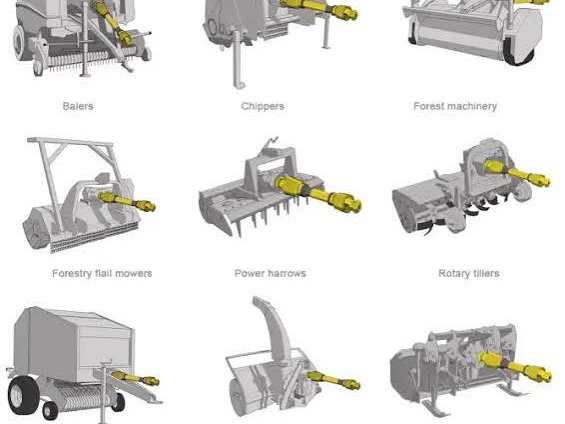
Power Take Off (PTO) drive shafts play a crucial role in modern agricultural practices by serving as the link between tractors and various implements. These drive shafts enable the transfer of power generated by the tractor to attachments such as mowers, tillers, and balers, ensuring efficient operation of these equipment. Understanding the function and importance of PTO drive shafts is essential for farmers and equipment operators to maximize the productivity and safety of agricultural operations.
There are different types of PTO drive shafts, primarily classified based on their construction and application. Standard or fixed-length PTO shafts are commonly used in equipment where the distance between the tractor and implement is stable. In contrast, telescoping PTO shafts offer adjustable lengths, making them ideal for applications where the distance may vary, such as with articulated tractors or equipment that operates at different angles.
Selecting the appropriate PTO drive shaft is critical not only for enhancing efficiency but also for ensuring safety during operation. An incorrectly sized or misaligned PTO shaft can lead to excessive wear, mechanical failure, or even serious accidents. Therefore, it is important for operators to consider factors such as the horsepower output of their tractor, the type of implement being used, and the specific environmental conditions under which they will operate.
The ISO 5673 standard governs the specifications and compatibility of PTO drive shafts, providing guidelines to ensure that shafts function reliably across different equipment brands and models. This standardization is vital in promoting safety and efficiency in agricultural operations by minimizing the risk of using incompatible components. Ultimately, a thorough understanding of PTO drive shafts will empower farmers to make informed choices, contributing to the overall success of their agricultural endeavors.
Tractor PTO Shaft Series Comparison (ISO 5673 S1-S6)
The ISO 5673 standard classifies PTO shafts into series S1 through S6, each designed for specific torque capacities and functionalities corresponding to different agricultural implements. Understanding these series is crucial for selecting the right PTO shaft for optimal equipment performance.
Below is a technical specification table that highlights key metrics across the various series:
| Series | Torque Capacity (Nm) | Length (mm) | Weight (kg) | Compatibility |
|---|---|---|---|---|
| S1 | max 100 | 1000 | 25 | Compact Tractors |
| S2 | up to 150 | 1200 | 35 | Mid-Range Tractors |
| S3 | 150-200 | 1400 | 45 | Utility Tractors |
| S4 | 200-300 | 1600 | 60 | Standard Tractors |
| S5 | 300-400 | 1800 | 80 | Large Tractors |
| S6 | 400+ | 2000 | 100 | High-Power Tractors |
When selecting a PTO shaft, consideration must be given to the intended agricultural implement. For instance, rotary tillers typically utilize S3 to S4 series shafts due to their moderate torque demands, while heavy-duty disc mowers may require S5 to S6 series shafts for enhanced power transmission.
A common field failure in PTO applications often results from improper shaft selection or incorrect coupling. Regular maintenance checks can help prevent these failures. Additionally, the initial cost of acquiring a higher-grade PTO shaft may be offset by lower maintenance costs and improved equipment longevity, providing a compelling reason to invest in a suitable series for demanding applications.
Understanding Universal Joint Types for PTO Shafts
Penned within the world of agricultural machinery, universal joints play a pivotal role in the performance of Power Take-Off (PTO) drive shafts. The three primary types of universal joints suitable for PTO shafts are standard cross, wide-angle, and constant velocity (CV) joints. Each of these joints has unique specifications, advantages, and applications that must be considered when selecting the optimal joint for agricultural implements.
The standard cross joint is the most common type used in agricultural PTO systems. Its design consists of a cross with four legs, which allows for the transfer of torque at a fixed angle. This type of joint is most suitable for applications where the angle between the shafts is relatively small, such as in a straight-line configuration. Advantages of standard cross joints include simplicity, cost-effectiveness, and ease of maintenance.
In contrast, wide-angle joints are designed to effectively handle larger angles between the connected drive shafts. These joints can accommodate angular misalignment without compromising performance. They are particularly beneficial in scenarios where equipment may need to operate at a steeper angle, making them a solid choice for implements like rotary cutters and rakes that require flexibility in positioning.
Constant velocity (CV) joints represent an advanced option, designed to maintain a consistent rotational velocity regardless of the angle. This ensures that the power transmitted remains smooth and uninterrupted, making CV joints ideal for high-speed applications. Though more complex and costly than the alternatives, the performance benefits often justify the investment, especially in demanding agricultural environments.
To prevent common failures in universal joints, such as excessive wear and mechanical failure, it is essential to perform regular inspections and maintenance. Checking lubrication levels and ensuring proper alignment can significantly extend the life of these components. A cost-benefit analysis can also guide manufacturers in deciding on the type of joint that balances performance and budgetary constraints effectively.
Telescoping Shaft Tube Profiles: An Overview
When selecting a power take-off (PTO) drive shaft for agricultural implements, understanding the various telescoping shaft tube profiles is essential. Three common designs are the triangular, star, and lemon tube profiles, each offering unique specifications and advantages that cater to different agricultural needs.
The triangular profile is praised for its structural integrity and strength. Its design ensures that the tube can handle significant torque and tension, making it suitable for high-powered applications. The profile facilitates a seamless connection that maximizes power transfer efficiency, although its rigidity may limit flexibility in certain scenarios.
Complementing this is the star profile, recognized for its superior flexibility. This design allows for more substantial angular movement between the connected implements, improving maneuverability in varied field conditions. However, it's important to note that the star profile may not support as high torque levels as the triangular type, which could lead to potential field failures if used inappropriately.
Lastly, the lemon profile represents a blend between strength and flexibility. This configuration is ideal for applications demanding a balance between robustness and adaptability. Its ergonomic shape allows for easy assembly and disassembly, an essential factor for maintenance in agricultural operations.
Below is a technical specification table that summarizes the comparative aspects of these profiles:
| Profile Type | Flexibility | Strength | Ease of Maintenance |
|---|---|---|---|
| Triangular | Low | High | Moderate |
| Star | High | Moderate | Moderate |
| Lemon | Moderate | Moderate | High |
To enhance field failure prevention, it is crucial to regularly inspect the telescoping mechanisms for wear and misalignment. Proper lubrication and compliance with the manufacturer's specifications will invariably extend the longevity of PTO shafts, thereby optimizing performance and safety.
Conducting a cost-benefit analysis for each profile is recommended prior to making a purchase decision. By weighing the initial cost against expected maintenance expenses and operational efficiency, buyers can make informed choices regarding the best telescoping shaft profile suited for their agricultural applications.
Implementing CE-Compliant Safety Guard Systems
Safety is paramount when dealing with PTO (Power Take-Off) drive shafts in agricultural implements. These drive shafts are crucial for transferring power between the tractor and the implement, but they also pose significant safety hazards if not properly safeguarded. CE-compliant safety guard systems are essential for minimizing risks associated with PTO drive shafts. The CE marking indicates that the safety guard complies with European safety standards, ensuring a minimum level of protection for users.
When selecting a safety guard system, it is important to consider several technical specifications. A well-designed safety guard should have features such as robustness against mechanical impacts, resistance to weather conditions, and ease of installation and maintenance. Below is a technical specification table with critical safety features and installation guidelines for CE-compliant safety guards:
| Feature | Description | Guidelines |
|---|---|---|
| Material | Durable, weather-resistant materials | Use materials that withstand environmental conditions |
| Coverage | Full coverage of rotating components | Install guards that enclose the PTO shaft completely |
| Maintenance | Easy access for inspection | Design guards for straightforward maintenance checks |
To prevent potential safety hazards, operators should routinely inspect the safety guard systems for any signs of wear or damage and perform maintenance as recommended by the manufacturer. Furthermore, operators should be trained on the importance of keeping the safety guards in place during operation. This training could significantly reduce the risks associated with PTO shafts.
Finally, examining the cost-benefit relationship of various safety solutions available in the market is essential. While some safety systems may seem costly initially, they could offer substantial long-term savings by preventing accidents and reducing liability. By implementing CE-compliant safety guard systems, agricultural operators can ensure safer working environments, comply with regulations, and protect their investments in equipment and personnel.
Measuring PTO Shaft Length: Best Practices
Accurate measurement of PTO (Power Take-Off) shaft lengths is essential for ensuring proper fitment and functionality in agricultural implements. The process involves determining both the collapsed and extended lengths of the shafts. This guideline outlines a step-by-step approach, providing clarity on best practices for measurement.
To initiate the measurement, first ensure that the PTO shaft is clean and free from debris. Any obstructions may affect the accuracy of your reading. Begin by measuring the collapsed length. This is done by fully retracting the PTO shaft and then measuring from the center of one yoke to the center of the other yoke. Precision is key here; ensure to hold the tape measure straight and level to avoid miscalculations.
Next, you will need to measure the extended length. This involves fully extending the PTO shaft to its maximum length before taking the measurement. Similar to the collapsed measurement, you should note the distance from the center of the yoke on one end to the center of the yoke on the opposite end. Recording both lengths accurately allows for the correct sizing of the PTO drive shaft, which is essential for optimal operation.
It is also pertinent to consider the specific requirements for overload protection when selecting PTO shafts. A decision matrix can be helpful in this context. This matrix should factor in the implement type, expected load conditions, and the operational environment. By carefully analyzing these variables alongside your measurements, the risk of overload can be mitigated, thus enhancing safety and functionality.
In conclusion, precise measurement of PTO shaft lengths involves understanding both collapsed and extended lengths, following best practices, and utilizing tools such as a decision matrix for overload protection selection. This diligence not only ensures proper fit but also enhances the safety and efficiency of agricultural machinery.
FAQs and Additional Resources
In the realm of agricultural implements, PTO drive shafts are a critical aspect that often leads to numerous inquiries. Among the most frequent questions are those related to lead times, CE documentation requirements, and minimum cut-to-length orders. Understanding these elements can greatly aid in the efficient selection and utilization of PTO drive shafts.
Lead times can vary significantly depending on the manufacturer and their current production capacity. Clients are advised to verify these timeframes beforehand to avoid delays in agricultural operations. It is essential to consider the specific needs of your equipment and ensure that you place your orders well in advance, especially during peak seasons when demand is high.
CE documentation is another common concern. Compliance with European standards ensures that the PTO drive shafts meet safety and quality requirements, making it vital for B2B clients operating within or exporting to Europe. Clients should inquire about the availability of CE certifications for their selected products. This documentation not only guarantees compliance but also enhances the credibility of both the manufacturer and user during inspections.
Minimum cut-to-length orders are often relevant for custom applications. Manufacturers typically have a policy regarding the minimum length that can be cut for PTO drive shafts, which can affect project budgets and timelines. Clients should clarify these requirements with the supplier to ensure that their specific measurements are accommodated without unnecessary costs or delays.
For further information, several industry resources can provide additional guidance on PTO drive shaft selection and safety. Websites such as the Agricultural Equipment Manufacturers Association (AEMA) and the American Society of Agricultural and Biological Engineers (ASABE) offer comprehensive insights into industry standards, product specifications, and best practices. Utilizing these resources can enhance understanding and ensure informed decisions.
Quality
Expert driveshaft manufacturing with 20 years experience.
GET IN TOUCH
Tel:+86-571 88065675 | +86-571 88842852
E-mail:oceanindustry@vip.163.com
Fax:+86-571 88844378
Address:4th Floor, Block 2, Qianjiang Century Industrial Park, 2327 Hongning Road,Ningwei Town,Hangzhou, China
© 2005. All rights reserved.