
A Comprehensive Guide to PTO Drive Shaft Applications in Agricultural Implements
Introduction to PTO Drive Shafts and Their Importance in Agriculture
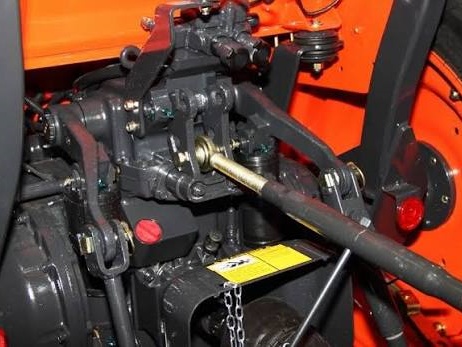
Power Take-Off (PTO) drive shafts are integral components in the machinery utilized in modern agriculture. These shafts function as a mechanical power transmission method, enabling tractors to transfer engine power to various agricultural implements such as mowers, balers, and tillers. This system is crucial in streamlining agricultural operations, enhancing efficiency, and optimizing productivity across the farming landscape.
The design of PTO drive shafts allows them to operate effectively under diverse conditions. They are engineered to handle torque and rotational speed, which are essential for the seamless operation of farm equipment. The effective functioning of these shafts means that power can be dynamically transferred to implements as needed, significantly reducing the time and labor involved in agricultural tasks.
The importance of selecting the correct PTO drive shaft cannot be overstated. The compatibility between the shaft and the implement type directly impacts the performance and longevity of both components. Inappropriate selection can lead to mechanical failure, decreased productivity, and increased maintenance costs, underscoring the necessity for informed decision-making.
This blog post aims to provide comprehensive guidance to both manufacturers and farmers regarding the selection of suitable PTO drive shafts for various agricultural implements. By understanding the factors influencing PTO shaft compatibility, such as length, diameter, and rotational speed requirements, stakeholders can make educated choices that align with their specific operational needs.
As the agriculture sector continues to evolve with technology advancements, the role of PTO drive shafts in facilitating enhanced equipment performance remains critical. By recognizing their significance, individuals involved in agricultural practices can harness the full potential of PTO technology to achieve successful farming outcomes.
Understanding PTO Drive Shaft Applications for Rotary Tillers and Power Harrows
Rotary tillers and power harrows are integral to modern agricultural practices, playing a crucial role in soil preparation and cultivation. These implements demand high torque due to their engagement with soil, which influences the choice of Power Take-Off (PTO) drive shafts. A suitable PTO drive shaft must be capable of transmitting sufficient power while withstanding the rigors of tillage operations.
The high torque requirement stems from the resistance encountered when the tiller or harrow interacts with different soil types. This interaction necessitates a robust design, making it essential to select PTO shafts that possess the requisite strength and durability. Generally, the recommended PTO shaft series for rotary tillers and power harrows include well-tested models capable of handling the dynamic loads generated during operation.
Another critical feature in the selection of PTO drive shafts for these implements is the incorporation of friction clutches. These clutches help to protect the drivetrain from overload situations that can arise in the field, providing a safeguard against potential mechanical failures. Additionally, standard cross joints should be considered for typical tractor turning scenarios. They facilitate smooth power transfer and minimize stress on the drive shaft, contributing to overall operational efficiency.
In conclusion, understanding the unique demands of rotary tillers and power harrows, particularly regarding torque requirements and the features of PTO drive shafts, is vital for ensuring optimal performance in agricultural practices. Selecting the appropriate PTO shaft series, along with essential components like friction clutches and standard cross joints, ensures reliable operation while enhancing the longevity of agricultural implements.
Selecting PTO Drive Shafts for Mowers: Disc, Drum, and Flail Types
PTO (Power Take-Off) drive shafts are essential components for transferring power from the tractor to various agricultural implements, including different types of mowers. When selecting PTO drive shafts for mowers, it is crucial to consider their specific operational requirements, which can vary significantly based on the type of mower being utilized—disc, drum, or flail.
The high-speed and continuous operation of mowers demands robust and reliable PTO shafts. For instance, disc mowers, which operate at higher speeds, often require drive shafts that can handle increased rotational forces while ensuring precision in cutting. The use of PTO shafts equipped with high-strength materials and suitable joints helps mitigate wear and tear during such intense operations.
In contrast, drum mowers may necessitate PTO shafts with different specifications due to their operational characteristics. The design of these mowers often allows for consistent power transfer and effective cutting action, requiring a PTO drive shaft that accommodates their unique mechanics. Selecting a shaft with sufficient torque capacity is crucial to enhance performance in these applications.
Flail mowers introduce another dimension in PTO drive shaft selection, as their mechanism depends on swinging blades to cut grass and vegetation. These mowers may benefit from the enhanced flexibility offered by wide-angle joints, particularly in mower-conditioners, ensuring that the drive shafts maintain optimal performance even at varying operational angles. Moreover, incorporating overrunning clutches into the PTO system is vital for preventing back-driving of the tractor when the mower is disengaged, safeguarding both the machinery and operator.
In summary, selecting the appropriate PTO drive shaft for mowers involves careful consideration of the mower type, operational requirements, and unique features such as over-running clutches and wide-angle joints. This ensures efficient power transfer and enhances the longevity of both the PTO system and the mower itself.
PTO Drive Shaft Needs for Balers: Round and Square Models
The use of PTO (Power Take-Off) drive shafts is crucial in the operation of agricultural implements such as balers, which are designed to compress forage into bales for easy handling and storage. Balers encounter variable shock loads, particularly from crop slugs, which can result in increased stress on the drive shaft components. To effectively manage these dynamic loads, heavy-duty series 4-5 PTO shafts are recommended, as they offer robust construction suitable for the demanding environments in which these machines operate.
In the case of both round and square balers, the ability to withstand these shock loads is paramount. Series 4-5 PTO shafts feature specific design elements that enhance their resilience, including thicker tubing and reinforced joints that can mitigate the risk of failure during operation. Additionally, the inclusion of shear bolts or adjustable friction clutches in the PTO drive system serves to protect the driveline from sudden impacts that may arise from blockages or uneven crop flow.
Furthermore, the integration of Constant Velocity (CV) joints is particularly advantageous for round balers that require greater maneuverability, especially in tight headland turns. CV joints allow for smoother power transfer while accommodating the angular changes that occur during turning, thereby reducing wear and tear on the PTO shaft. This efficiency can lead to increased productivity and longevity of the baling equipment.
In summary, the careful selection of PTO drive shafts, along with the strategic use of shear bolts, adjustable clutches, and CV joints, is essential for optimizing the performance of balers in agricultural settings. By addressing the unique challenges presented by variable shock loads, operators can ensure greater reliability and efficiency in their baling operations.
Choosing the Right PTO Drive Shaft for Manure and Fertilizer Spreaders
When selecting a PTO drive shaft for manure and fertilizer spreaders, it is essential to understand the unique power requirements and environmental conditions these agricultural implements face. Manure and fertilizer spreaders typically operate with moderate horsepower, necessitating a drive shaft that can efficiently transmit power without excessive wear or failure. In this context, the choice of the PTO shaft becomes critical for ensuring optimal performance and longevity.
Given the harsh working conditions these spreaders endure, especially with exposure to corrosive substances, it is advisable to opt for PTO drive shafts that are specifically designed to withstand such environments. The use of Series 2-3 PTO shafts is particularly recommended due to their robust construction, making them suitable for moderate power demands while also accommodating the stresses induced by continuous operation. These series of PTO shafts are built with enhanced durability in mind, ensuring they can handle the rigorous conditions without compromising on efficiency.
Furthermore, attention to detail in the choice of components can significantly impact the overall performance of the PTO drive shaft. Specifications that include sealed bearings are advantageous as they provide protection against the ingress of contaminants and moisture, thereby prolonging the life of the drive shaft. Additionally, opting for stainless components can further safeguard against corrosion, ensuring the drive shaft remains functional even in the presence of highly corrosive materials commonly associated with manure and fertilizer spreads.
This careful selection of PTO drive shafts, considering factors such as power requirements and environmental conditions, will lead to enhanced operational efficiency and reduced maintenance overhead for manure and fertilizer spreaders. By investing in quality components, operators can enhance the productivity of their agricultural operations significantly.
PTO Drive Shaft Application in Feed Mixer Wagons
PTO (Power Take Off) drive shafts play a crucial role in the operation of feed mixer wagons, which are essential for blending and distributing animal feed efficiently. These agricultural implements typically require medium power levels to ensure effective mixing and that the feed retains its nutritional quality. As feed mixer wagons operate under various conditions, they are designed to handle long run times, making the choice of the PTO drive shaft particularly significant.
Given the continuous operation required, PTO drive shafts must be robust and reliable. Integration of high-quality components such as lube-for-life sealed joints is increasingly preferred in modern feed mixer wagons. These maintenance-free joints eliminate the need for regular greasing, substantially reducing downtime for maintenance, and allowing for more consistent operation. This reliability is crucial because any failure in the drive shaft can lead to costly delays in the mixing and distribution process.
The medium power requirements for these agricultural machines also necessitate that PTO drive shafts are engineered to withstand prolonged use without degrading performance. Consequently, manufacturers often specify maintenance intervals that align with the machine's operational demands. By using PTO drive shafts equipped with sealed joints, the need for frequent maintenance checks is minimized. Operators can focus more on the essential task of mixing feed rather than the mechanical upkeep, thus enhancing overall productivity.
In summary, PTO drive shafts in feed mixer wagons must be robust enough to handle medium power demands while ensuring reliability through the use of maintenance-free components, such as lube-for-life sealed joints. This combination not only reduces the frequency of maintenance interruptions but also optimizes operational efficiency in feed preparation for livestock.
PTO Drive Shaft Specifications for Post Hole Diggers and Augers
Post hole diggers and augers are essential tools in agriculture for drilling holes in the ground for various purposes, such as planting and fencing. These implements require specific PTO drive shaft specifications due to their operational characteristics, primarily their low-speed and high-torque demands. For effective performance, it is crucial to choose PTO drive shafts that can handle the rigorous conditions associated with these applications.
When selecting a PTO drive shaft for post hole diggers and augers, it is essential to consider the torque requirements that these implements generate. High torque assists in penetrating the soil while minimizing the effort needed from the tractor. Consequently, the recommended series for these applications is typically series 1 or 2 drives. Series 1 and 2 shafts provide adequate strength and flexibility to handle the load while ensuring efficient power transmission from the tractor to the implement.
Another critical aspect of PTO drive shafts for post hole diggers is the implementation of shear bolts. These bolts play a vital role in protecting the equipment from damage by breaking under excessive torque conditions. This feature is especially important when encountering unexpected underground obstructions, thus preventing damage to the drive shaft and the associated machinery. Proper installation and routine inspection of these shear bolts are essential to maintain safety and functionality.
Furthermore, regular maintenance of the PTO drive shafts is necessary to ensure long-lasting performance. This includes checking for wear and tear, lubricating the universal joints, and ensuring that all connections are secure. Following these guidelines not only helps in prolonging the life of the drive shaft but also in ensuring optimal operation of post hole diggers and augers.
Irrigation Pumps and Their Corresponding PTO Drive Shaft Needs
Irrigation systems serve as a critical component of agricultural practices, ensuring that crops receive adequate water for optimal growth. Central to these systems are irrigation pumps, which frequently rely on Power Take-Off (PTO) drive shafts for operation. Understanding the specific PTO drive shaft needs of irrigation pumps is essential for maintaining efficiency and reliability in agricultural operations.
One of the primary requirements of irrigation pumps is the need for constant speed operation. This consistency is vital because fluctuations in pump speed can lead to suboptimal water delivery, which directly impacts crop health. Therefore, selecting a PTO drive shaft designed to maintain a steady rotational speed is crucial. Farmers and operators should consider PTO shafts that are capable of delivering power consistently over prolonged periods, as irrigation cycles can extend for hours during peak seasons.
Another important aspect is the durability of the PTO drive shaft. Given the demanding nature of agricultural environments, these shafts must withstand prolonged exposure to various elements, including moisture, dirt, and operational stress. It is advisable to choose PTO drive shafts with robust materials and corrosion-resistant finishes to ensure longevity. Standard maintenance joints, such as those offering easy greasing access, should also be part of the selection criteria to keep maintenance feasible, promoting the smooth running of the irrigation system.
Furthermore, operators should pay attention to the torque requirements of their specific irrigation pumps. Appropriate PTO drive shaft specifications, including length and diameter, must be matched to these torque needs to avoid mechanical failures. Failure to adhere to the recommended specifications can result in inefficiencies and increased wear on machinery. Thus, the correct selection of PTO drive shafts tailored to the needs of irrigation pumps is vital for sustainable and efficient agricultural practices.
Conclusion: Matching PTO Shaft Specifications to Implement Types
In the realm of agricultural practices, the significance of selecting the appropriate PTO drive shaft cannot be overstated. A proper match between PTO shaft specifications and implement types ensures efficient operation, maximizes productivity, and minimizes the risk of mechanical failures. Given the diverse array of agricultural implements available, understanding each implement's specific PTO requirements is crucial for any farmer or equipment manager.
This guide provides a comprehensive cross-reference table that maps over 20 implement types to their respective PTO shaft specifications, making the selection process more straightforward. From rotary tillers to balers and mowers, each implement exhibits distinct needs regarding torque, length, and connection type. Utilizing this table will facilitate an informed decision-making process when it comes to purchasing or maintaining PTO shafts.
Moreover, it is essential to consider the importance of having a complete PTO shaft kit, typically consisting of the shaft itself, a safety guard, and a safety chain. Leading manufacturers, leveraging their 20 years of OEM supply experience, offer these kits specifically tailored to match the specifications of particular models and implements. This comprehensive approach not only enhances safety but also guarantees optimal performance across various tasks.
In conclusion, matching PTO shaft specifications to the types of agricultural implements they are intended for is key to ensuring reliability and efficiency in operations. By following the guidelines provided in this post and utilizing the referenced specifications, professionals in the agricultural sector can ensure they choose the right PTO drive shaft for their equipment needs, ultimately leading to improved functionality and effectiveness in the field.
Quality
Expert driveshaft manufacturing with 20 years experience.
GET IN TOUCH
Tel:+86-571 88065675 | +86-571 88842852
E-mail:oceanindustry@vip.163.com
Fax:+86-571 88844378
Address:4th Floor, Block 2, Qianjiang Century Industrial Park, 2327 Hongning Road,Ningwei Town,Hangzhou, China
© 2005. All rights reserved.