
Understanding PTO Shaft Overload Protection Devices: Safeguarding Driveline Integrity
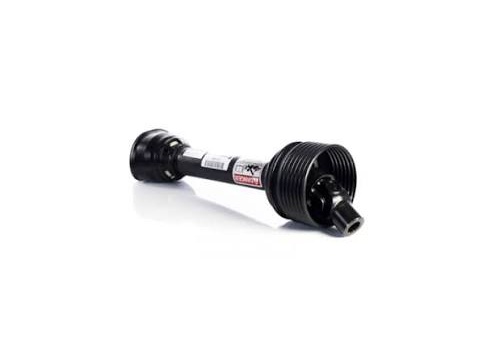
Introduction to PTO Shaft Overload Protection
PTO (Power Take-Off) shaft overload protection devices are essential components in the operation of agricultural machinery. Their primary function is to safeguard the driveline by preventing overload conditions that can lead to equipment failure. These devices act as a crucial line of defense against excessive forces that may occur during operation, ensuring that both the machinery and the operator remain safe. The significance of these protection devices cannot be overstated, as the consequences of driveline failures can be severe, often resulting in costly repairs and increased downtime.
When a PTO shaft experiences an overload, the resulting mechanical failure can lead to safety hazards not only for operators but also for bystanders. The sudden release of energy can cause parts to become projectiles, leading to injuries. Furthermore, the downtime caused by such events can significantly affect productivity, particularly in agricultural settings where time-sensitive operations are common. Given that machinery is often a large investment for farmers, the cost associated with repairs can strain financial resources and disrupt operations, underlining the necessity for reliable overload protection.
This blog post will cover three main types of PTO shaft overload protection devices: shear pins, torque limiters, and overload clutches. Each type has its unique mechanism and advantages tailored to different applications within agricultural machinery. Shear pins function by breaking under excessive force, thereby disconnecting the drive. Torque limiters help to monitor and manage the torque levels during operation, and overload clutches provide a slip mechanism that engages when an overload occurs. By understanding these devices and their functionality, operators can enhance the overall safety and efficiency of their machinery.
Shear Bolt Overload Protectors: Simplicity and Cost-Effectiveness
Shear bolt overload protectors function as essential safeguards in the driveline of various machinery, employing a straightforward mechanism designed for reliability and ease of use. Essentially, these devices utilize a sacrificial pin—often constructed from a metal that exhibits predictable failure characteristics. When machinery reaches a preset torque level, the shear bolt breaks, effectively disconnecting the drive to prevent further damage. This design enables the safe operation of equipment, allowing users to address mechanical overloads without risking extensive repairs.
The torque setting procedure for calibrating the shear bolt is critical and involves determining the appropriate torque value based on the specific application. It is essential to consult manufacturer specifications or equipment guidelines to establish the correct calibration. Typically, this involves applying a known torque to the shear bolt until the desired threshold is reached. Calibration should also be performed regularly, especially if operational parameters change or if the protective device is replaced.
Maintenance of shear bolt overload protectors is relatively straightforward. Regular inspection is necessary to assess the condition of the bolts and ensure their optimal functionality. Common failure modes stem from improper torque settings, leading to either premature breaking or failure to engage during an actual overload incident. Consequently, maintaining an appropriate torque setting is vital for effective performance.
Shear bolts typically possess a service life that varies depending on usage and environmental conditions, but many can endure several operational cycles before needing replacement. The cost range for these protecting devices is generally economical, making them an attractive option for operators of light-duty equipment. Ideal scenarios for shear bolt applications include agricultural implements and small machinery where the simplicity of function and cost-effectiveness align with operational needs.
Friction Slip Clutches: Flexibility for Heavy-Duty Applications
Friction slip clutches are integral components of heavy-duty equipment, providing a critical balance between driving power and protection against overloads. These devices are designed with adjustable spring-loaded plates that enable them to momentarily slip when excessive torque is applied, thus preventing potential damage to the driveline without necessitating immediate shutdown of the equipment. This feature is particularly valuable in applications where unexpected loading conditions may arise, allowing for continued operation while safeguarding the integrity of the machinery.
Setting the torque threshold on a friction slip clutch is an essential procedure that involves adjusting the spring tension. This is typically done by modifying the pre-load of the springs until the desired slip torque is achieved. Operators should utilize manufacturer-recommended tools and specifications for this adjustment to ensure optimal performance and prevent misalignment. Regular maintenance is also crucial, as the wear of friction plates can affect clutch operation over time. Routine inspections and timely replacement of worn components can extend the service life and ensure that the clutch continues to operate effectively.
Common failure modes of friction slip clutches often include overheating, which can lead to material degradation and reduced torque capacity. Additionally, wear on the friction plates may lead to a loss of engagement force, eventually causing slippage at lower torque levels than intended. The typical service life of these clutches depends on factors such as operating conditions and maintenance practices but generally ranges between 1,000 to 5,000 operating hours.
In terms of cost, friction slip clutches can vary significantly based on specifications and manufacturers, with prices generally ranging from $200 to $1,500. Applications for these devices are prevalent in rotary tillers and heavy mowers, where they provide the flexibility needed to handle varying loads while protecting the driveline integrity, thus enhancing the overall operational efficiency of the equipment.
Overrunning and Ratchet Clutches: Enhanced Safety for High-Inertia Implements
The use of overrunning and ratchet clutches is essential in safeguarding the driveline of agricultural machinery, particularly when utilized with high-inertia implements such as flail mowers. These clutches are designed to prevent implement inertia from back-driving the tractor, which can lead to potential damage or unsafe operating conditions. By incorporating these devices, operators can expect enhanced safety and improved performance.
Overrunning clutches function by allowing the driven component to rotate freely in one direction while preventing movement in the opposite direction. This is particularly critical in high-inertia implements, where sudden stoppage can generate significant forces that could harm the tractor and the operator. Similarly, ratchet clutches serve a comparable purpose, engaging and disengaging based on the rotational direction, thus ensuring the implement does not revert to a state of motion that could compromise safety.
To maximize the efficacy of overrunning and ratchet clutches, operators must follow proper torque setting procedures. It is essential to adhere to manufacturer specifications while adjusting torque settings to ensure optimal performance and longevity of the clutches. Typical maintenance practices include regular inspections, lubrication, and replacement of worn or damaged components. Recognizing the common failure modes—such as slip under load or complete disengagement—can aid in early detection and mitigate further issues.
The service life of these clutches usually varies based on application and operational conditions, with many experiencing several years of reliable function when properly maintained. Nonetheless, users should consider costs associated with replacement or repair when implementing these devices in their operations. For instance, high-inertia implements like flail mowers, which involve significant inertia and operational demands, exemplify the critical need for effective overload protection mechanisms to preserve the driveline integrity.
Comparison of Overload Protection Types: A Selection Matrix
When it comes to selecting the appropriate overload protection device for PTO shafts, manufacturers and dealers must consider several critical factors to ensure optimal performance and safety. A well-defined selection matrix is essential for matching the type of overload protection device to the equipment's intended use, tractor horsepower, and operating conditions. This comparison takes into account various overload protection options available in the market, facilitating informed decision-making.
Initially, it is crucial to assess the nature of use for the PTO shaft. Different applications, such as agricultural machinery, industrial equipment, or garden implements, may experience unique overload scenarios. For instance, agricultural equipment often encounters sudden changes in load due to terrain and crop variations, necessitating a more robust protection mechanism. Conversely, equipment used in controlled environments may require standard overload limits. Depending on this risk assessment, suitable types of overload protection devices can range from shear bolt systems to slip clutches or electronic overload sensors.
The tractor's horsepower also plays a vital role in determining the appropriate protection device. Higher horsepower machinery can either demand more resilient protection solutions or, in some cases, more sensitive devices to avoid damage during unexpected overloads. It is important to align the overload protection mechanism with the tractor's output, ensuring compatibility that can effectively absorb shocks without compromising performance.
Finally, safety requirements must be taken into account when selecting overload protection devices. Adherence to safety standards is imperative to minimize risks to operators and equipment. The overload protection mechanism selected should not only conform to industry regulations but should also provide adequate warning mechanisms for timely intervention. By effectively addressing these criteria, manufacturers and dealers will be equipped to choose the right overload protection type to ensure drivelines remain intact and functional under varied operating conditions.
Best Practices for Maintenance of Overload Protection Devices
Regular maintenance of PTO shaft overload protection devices is integral to the safety and efficiency of agricultural and industrial operations. These devices play a critical role in safeguarding driveline integrity by preventing damage due to excessive torque and loads. Therefore, implementing best practices for maintenance is essential for optimal performance.
To maintain the integrity of overload protection devices, operators should conduct periodic inspections. It is advisable to perform these inspections at regular intervals, such as every 100 hours of operation or as per manufacturer guidelines. During these inspections, operators should look for signs of wear, damage, or misalignment. Additionally, verifying the device's functionality through rigorous testing can help detect any issues before they escalate.
Calibration is another crucial maintenance task. Over time, the settings on overload protection devices may drift, leading to potential failures or inefficiencies. Operators should follow specific calibration procedures as outlined in the equipment's manual. Utilizing specialized tools can assist in accurately calibrating these devices, ensuring they respond reliably to excessive loads.
Moreover, replacing worn components is vital for the operational reliability of PTO shaft overload protection devices. Commonly affected parts include springs, shear pins, and clutches. Keeping a checklist of replacement schedules based on usage and observable wear can help streamline this process. Operators should also stock essential spare parts to reduce downtime when replacements are necessary.
In summary, establishing a routine maintenance schedule that includes regular inspections, proper calibration, and timely replacement of worn components can greatly enhance the effectiveness of PTO shaft overload protection devices. By following these best practices, equipment operators and manufacturers can ensure that their devices function effectively to protect against potential driveline damage, thereby enhancing overall safety and operational efficiency.
Conclusion: The Importance of Choosing the Right Overload Protection
In the realm of agricultural and industrial equipment, selecting an appropriate PTO shaft overload protection device is crucial for ensuring operational safety and maintaining driveline integrity. The significance of these devices is underscored by their role in preventing catastrophic failures that often arise from unexpected overload scenarios. Throughout this article, we examined various features and types of PTO overload protection devices, highlighting the necessity for compatibility with specific applications. Each device offers distinct benefits tailored to different operational environments, making informed selection paramount.
It is imperative to choose overload protection tailored to the specific torque requirements of the machinery in use. Engaging with manufacturers that provide a complete range of overload protection options, coupled with calibrated factory torque settings, can lead to safer and more efficient operation. Such precision ensures that the device activates correctly at the designated torque levels, providing dependable performance under varying conditions.
Moreover, the value of utilizing proven, field-tested equipment cannot be overstated. Reliable overload protection solutions not only enhance the safety of the driveline system but also contribute to prolonged equipment lifespan. As machinery operates under demanding conditions, having a robust PTO shaft overload protection device in place serves as an investment in the overall reliability and efficiency of operations. By adopting these strategies, operators can mitigate risks associated with driveline failure, ensuring a safer and more economically viable operational environment. Ultimately, choosing the right overload protection device is an essential step in safeguarding both personnel and equipment in today’s demanding industrial landscape.
Quality
Expert driveshaft manufacturing with 20 years experience.
GET IN TOUCH
Tel:+86-571 88065675 | +86-571 88842852
E-mail:oceanindustry@vip.163.com
Fax:+86-571 88844378
Address:4th Floor, Block 2, Qianjiang Century Industrial Park, 2327 Hongning Road,Ningwei Town,Hangzhou, China
© 2005. All rights reserved.