
A Comprehensive B2B Guide to Selecting the Right PTO Drive Shaft for Tractors and Implements
Introduction to PTO Drive Shafts
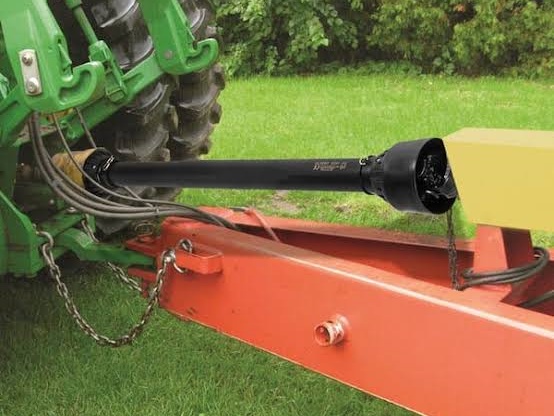
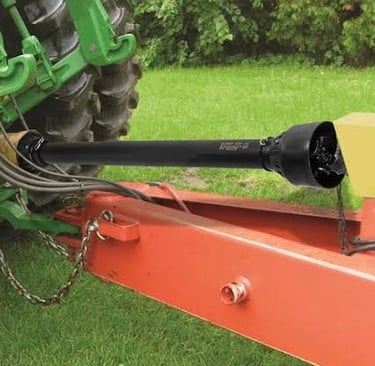
PTO drive shafts, or Power Take-Off drive shafts, are essential components that facilitate the transfer of power from a tractor to various implements. These drive shafts play a pivotal role in a range of agricultural applications, powering equipment such as mowers, tillers, and hay balers. Understanding the function and significance of PTO drive shafts is crucial for farmers, agricultural mechanics, and equipment dealers who rely on efficient tractor-implement combinations to enhance productivity in the field.
At their core, PTO drive shafts are designed to connect the tractor's power system to the attached implements, allowing them to operate effectively. The effectiveness of this power transfer directly impacts operational performance. Therefore, selecting the correct PTO drive shaft is critical to ensure the compatibility and efficiency of this connection. An improper or mismatched drive shaft can result in mechanical failure, decreased efficiency, and even costly repairs.
This guide aims to provide comprehensive insights into PTO drive shaft selection, highlighting key factors such as size, type, material, and maintenance requirements. By addressing the needs and challenges faced by our target audience, we strive to equip farmers, mechanics, and dealers with the knowledge necessary for informed decision-making. Through careful consideration of the varied applications of PTO drive shafts and their specifications, this guide serves as an invaluable resource for optimizing agricultural practices.
In summary, embracing the importance of PTO drive shafts is fundamental for anyone involved in the agricultural sector. The selection of the right drive shaft not only ensures seamless operation but also contributes to overall operational efficiency and longevity of both tractors and implements.
Step 1: Determining Tractor PTO Horsepower and Shaft Speed
Understanding the Power Take-Off (PTO) horsepower and shaft speed of your tractor is a crucial step in selecting the appropriate PTO drive shaft for your agricultural implements. The PTO horsepower indicates the power available to drive various attachments, while the shaft speed, commonly 540 or 1000 RPM, dictates operational efficiency. This information is vital as it directly influences the torque produced by the tractor and the compatibility with the required implement.
To find the PTO horsepower and shaft speed, one should consult the tractor’s specifications as listed in the operator's manual or manufacturer’s website. Additionally, a label on the tractor body, often found near the rear PTO connection, typically provides these details. Knowing the exact PTO horsepower not only ensures that the implement operates within safe limits but also optimizes performance and productivity.
Different implements may require varied horsepower levels to function correctly. For instance, a rotary cutter may need substantial power, while a smaller tiller might require comparatively less. Therefore, aligning the horsepower provided by the tractor with the requirements of the implement plays a significant role in preventing mechanical failures and extending the lifespan of both the tractor and its attachments.
Moreover, the shaft speed is equally important as it defines how quickly power is transmitted to the implement. Higher speed generally means more efficiency but can lead to increased wear and tear if the implement is not designed for such conditions. Thus, accurately determining both the PTO horsepower and shaft speed is essential to ensure a well-matched PTO drive shaft, maximizing effectiveness and operational safety when using agricultural equipment.
Matching the PTO Specifications to ISO 5673 Standards
The ISO 5673 series provides essential guidelines for the specifications of power take-off (PTO) systems utilized in agricultural machinery, particularly tractors and implements. Understanding these standards is crucial for ensuring compatibility between the tractor and the implements, which directly affects performance, safety, and operational efficiency.
The ISO 5673 standard categorizes PTOs primarily based on the power output in terms of horsepower and the torque requirements for various implements. This categorization enables users to select PTO systems that can efficiently handle the demands of specific agricultural tasks, avoiding potential mismatches that could lead to equipment failure or damage.
When selecting a PTO drive shaft, it is essential to first ascertain the horsepower rating of the tractor. The tractor's engine capability must be aligned with the required torque specifications for the implements. Implement manufacturers typically provide torque requirements, which detail the minimum and maximum torque levels necessary for optimal operation. By cross-referencing these torque requirements with the tractor's horsepower, one can identify suitable PTO specifications that are compliant with the ISO standards.
Additionally, ISO 5673 outlines multiple categories of PTO couplings, including the more common 540 RPM and 1000 RPM classifications. Each category is designed for different applications, and the choice between them will depend on the operational requirements of the implements being used. Ensuring adherence to these standards not only enhances compatibility but also promotes safe and efficient machinery operation in agricultural settings.
In conclusion, aligning the tractor's capabilities with implement specifications based on ISO 5673 standards is essential for effective agricultural operations. By carefully analyzing horsepower and torque requirements, users can ensure that they select the appropriate PTO drive shaft, fostering improved performance and longevity of their equipment.
Measuring PTO Shaft Length
Proper measurement of the Power Take-Off (PTO) shaft length is a crucial step in ensuring optimal performance and compatibility between your tractor and implements. This process involves examining the distance from the tractor’s PTO stub to the implement's input shaft effectively. Accurate measurements are vital as they avoid operational issues that may arise from incorrect shaft lengths.
To begin, it is essential to gather the necessary tools for measuring. Typically, a measuring tape or a ruler will suffice. First, ensure that the tractor is parked on a level surface with the implement detached. Depending on your equipment, you will want to adjust the implement to both its highest and lowest positions, as the length measurements can vary substantially based on this positioning.
Start by measuring the shortest length first. Position the measuring tape at the end of the PTO stub on the tractor. Extend the measuring tape to the point where the implement input shaft enters. At this stage, it is beneficial to check while both the tractor and implement are combined at their shortest point to accurately determine the necessary length. Record this measurement comprehensively.
Next, lower the implement to its maximum height and repeat the process. This measurement will give you the longest possible length required for the PTO shaft. The critical aspect during these measurements is that you account for the full range of motion, which not only affects the operation during field activities but also prevents potential damage to both the PTO shaft and the implements.
After obtaining both measurements, you should assess any discrepancies. A proper PTO shaft length should consider the fluctuation between these positions, ensuring adequate overlap for smooth functional operation. Precision in this step significantly impacts machinery effectiveness, facilitating safe and efficient agricultural practices.
Calculating Collapsed and Extended Length with Safety Margins
When selecting a PTO drive shaft for tractors and implements, it is crucial to accurately calculate both the collapsed and extended lengths. These lengths are essential for ensuring the effective operation of the drive shaft while maintaining safety standards. The calculations involve several steps, emphasizing the need for a minimum of one-third tube overlap during operation.
To start, measure the distance between the tractor's PTO output and the implement's input shaft. This measurement is referred to as the operating length. For the collapsed length, refer to the specifications of your PTO drive shaft, which usually indicates this length. The extended length is derived by taking the operating length and adding the necessary overlap for safe operation purposes. Specifically, it is important to allow for one-third of the tube's total length to remain engaged when the implement is articulated or positioned in a manner that reduces the distance between the two connection points.
Next, it is important to account for any potential adjustments and operational dynamic movements when performing these calculations. This consideration is particularly important if the implement will be moving through uneven terrain or performing various rotational movements. As a best practice, always round up your calculations slightly to provide an additional safety cushion. Furthermore, while calculating the length, consider factors such as potential wear and tear on the PTO shaft, as this may result in a shortened functional length over time.
Neglecting to properly calculate the lengths of the PTO shaft can result in safety hazards, including excessive wear, operational failure, or catastrophic damage during use. By incorporating safety margins into the design and measurement of the PTO shaft, operators can protect both themselves and their equipment, ensuring a reliable performance with fewer breakdowns.
Assessing Maximum Working Angle and Selecting Joint Type
When selecting a PTO drive shaft for your tractor or implement, one critical consideration is the maximum working angle that occurs during operations, particularly when turning. This angle is vital as it directly influences the efficiency and safety of the PTO system. The maximum working angle is defined as the highest angle at which the PTO drive shaft can operate without jeopardizing its performance or structural integrity. Exceeding this angle can lead to premature wear or even catastrophic failure of the drive shaft.
To assess the maximum working angle, first, understand the operational scenarios your equipment will encounter. It is essential to evaluate factors such as the terrain type, implement design, and the typical turning radius of the tractor. By grasping these elements, you can more accurately determine the angles involved during use and select a PTO drive shaft that supports these operational demands.
Equally important is the selection of the appropriate joint type for the PTO drive shaft. Several joint types are available, each with distinct characteristics that affect performance and durability. The two most commonly used types are universal joints (U-joints) and constant velocity joints (CV joints). U-joints have been a longstanding standard in agriculture, offering a simple design that accommodates moderate working angles. However, they can sustain efficiency losses if operated beyond their ideal angles.
On the other hand, CV joints provide superior performance over a broader range of angles, reducing the risk of vibration and maintaining torque more effectively. While they tend to be more expensive, their capability to handle high angles makes them suitable for more specialized applications or demanding environments. Choosing the right joint type will enhance the longevity and functionality of your PTO drive shaft, ensuring reliable performance in your agricultural operations.
Overload Protection and Shock Load Assessment
When selecting a PTO drive shaft for tractors and implements, it is imperative to consider overload protection options and assess the risk of shock loads. These factors play a critical role in maintaining the integrity of agricultural equipment and ensuring the safety of operations. Overload protection serves as a safeguard against unforeseen increases in torque which could potentially lead to catastrophic equipment failure or personal injury. This protective measure is crucial for heavy-duty farming operations, where the equipment is subjected to variable resistance while engaging different implements.
Various overload protection mechanisms are available, each with its unique advantages. One of the most common forms is the shear bolt design, where a specifically rated bolt is placed in the drive line. Upon exceeding the predetermined torque threshold, the bolt shears off, effectively disengaging the implement to prevent further damage. Another option is the slip clutch, which allows for controlled slipping of the drive shaft when overloaded. This method is particularly beneficial for situations with intermittent overloads, as it helps protect the entire assembly from excessive strain.
Recognizing potential shock loads is equally important when configuring PTO systems. Shock loads can occur when an implement suddenly encounters an obstruction or when unexpected forces are applied during operation. If shock loads are not adequately managed, they can lead to rapid wear or failure of the PTO drive shaft and connected components. Therefore, analyzing implements' operational speeds and potential resistance points is vital in developing a comprehensive shock load strategy. Additionally, choosing PTO shafts with features such as heavy-duty universal joints and enhanced material strength can further mitigate risks associated with shock loads.
Overall, investing time and resources in selecting the appropriate overload protection and rigorously evaluating shock load risks is not just about compliance but also about enhancing the longevity and reliability of agricultural equipment.
Step 7: Verifying Guard Compliance for Safety Standards
The verification of guard compliance with relevant safety standards is a critical step in the selection process for PTO drive shafts in tractors and implements. Safety is paramount in any agricultural operation, and ensuring that all components meet established regulations is essential for protecting both operators and equipment. Compliance with the CE mark and ISO 5674 standards, which specifically address safety requirements for PTO drive shafts, cannot be overlooked.
CE marking indicates that a product meets European Union safety, health, and environmental protection standards. It serves as a confirmation that the PTO drive shaft components and assemblies have been designed and tested to comply with stringent safety practices. Similarly, ISO 5674 provides guidelines for the safety requirements and testing procedures for tractor-mounted PTO drive shafts. Compliance with these standards is indicative of a manufacturer’s commitment to providing safe and reliable equipment.
When evaluating PTO shaft components, manufacturers and dealers should look for verification and documentation of compliance to safety standards. This includes checking for proper guard presence, specifications, and any certifications that affirm adherence to these regulations. Additionally, engaging with manufacturers who emphasize safety and compliance in their production processes will enhance the overall safety of agricultural operations. This reinforces the importance of selecting PTO drive shafts from reputable sources that prioritize safety in their design and manufacturing.
Moreover, regular inspection of the PTO shaft and its guards is essential. Operators should confirm that no wear or damage affects their effectiveness. By ensuring compliance with safety standards and regularly verifying guard integrity, operators can minimize the risks associated with PTO drive shaft operations.
Quality
Expert driveshaft manufacturing with 20 years experience.
GET IN TOUCH
Tel:+86-571 88065675 | +86-571 88842852
E-mail:oceanindustry@vip.163.com
Fax:+86-571 88844378
Address:4th Floor, Block 2, Qianjiang Century Industrial Park, 2327 Hongning Road,Ningwei Town,Hangzhou, China
© 2005. All rights reserved.