
A Comprehensive Guide to PTO Shaft Length Measurement: Avoiding Common Pitfalls
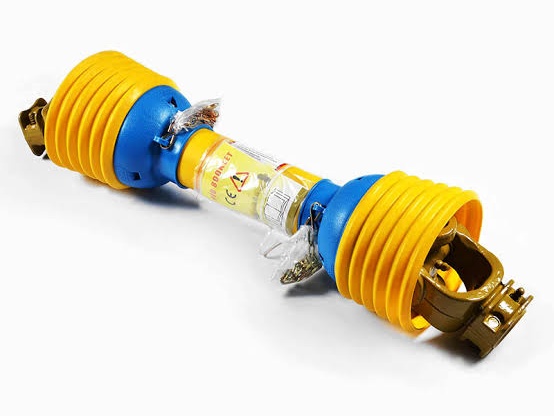
Introduction to PTO Shaft Length Measurement
Power Take-Off (PTO) shafts play a critical role in the agricultural and industrial sectors, serving as a crucial connection between tractors and various implements. These shafts enable the transfer of mechanical power from the tractor's engine to the attachment, facilitating a wide range of operations, such as tilling, mowing, and hauling. Understanding the significance of PTO shafts is essential for any equipment operator, as they directly impact the efficiency and safety of machinery operations.
Accurate measurement of PTO shaft length is paramount for ensuring proper fit and function between the tractor and the implement. An incorrectly measured PTO shaft can lead to misalignment, excessive wear, and ultimately, mechanical failure. This not only poses a risk to the equipment but also raises safety concerns for operators and bystanders. Therefore, taking precise measurements can prevent costly repairs and improve equipment longevity, making it an integral aspect of equipment management.
Unfortunately, there are common pitfalls that many operators encounter when measuring PTO shaft length. These mistakes may stem from oversight in following proper measurement protocols or failing to account for variable factors such as hitch height or implement positioning. For instance, neglecting to ensure that the tractor and implement are at the correct operating height can result in inaccurate measurements. Additionally, misjudging the necessary clearance when the implement is engaged can lead to performance issues during operation. Addressing these common errors and understanding the requisites for accurate PTO shaft length measurement is vital for maximizing both productivity and safety on the field.
Why Proper Length Matters
Measuring the correct length for a Power Take-Off (PTO) shaft is critical for the safe and efficient operation of agricultural machinery. Incorrect PTO shaft lengths can lead to significant operational issues that jeopardize equipment integrity and user safety. If a PTO shaft is too short, it can result in insufficient tube overlap, increasing the risk of separation during operation. This unintended disconnection can cause severe damage both to the tractor and the implement it is designed to power.
On the other hand, a PTO shaft that is excessively long introduces its own set of challenges. It can cause the shaft to bottom out, leading to potential bending or breaking of both the shaft itself and the components to which it is connected. This excessive length may not only restrict the proper operability of the machinery but can also result in costly maintenance and repairs. Moreover, long shafts can place undue stress on the tractor and implement bearings, increasing wear and tear, and ultimately diminishing their lifespan.
It is vital for operators and mechanics to recognize that each piece of agricultural equipment is designed with specific tolerances for PTO shaft lengths. Ensuring that the lengths are aligned with these specifications will maintain optimal performance and safety standards. Additionally, routinely checking PTO shaft lengths as part of an overall maintenance check can help in identifying potential issues before they escalate into serious problems.
In conclusion, maintaining proper PTO shaft length is essential not only for the effectiveness of agricultural equipment but also for ensuring operator safety. By understanding and addressing the implications of incorrect shaft lengths, operators can prevent equipment malfunctions and prolong the lifespan of their machinery.
Understanding Measurement Types: Collapsed vs. Extended
When dealing with PTO (Power Take-off) shafts, it is essential to comprehend the two primary measurement types: collapsed and extended. Taking these measurements accurately is crucial in selecting the correct PTO shaft length for your equipment, as improper sizing can lead to operational inefficiencies and potential safety hazards.
The collapsed measurement, also known as the closed center measurement, refers to the length of the PTO shaft when it is in its fully closed position. This length is measured from the center of the yoke at one end of the shaft to the center of the yoke at the other end, ensuring that the shaft is completely contracted. The importance of this measurement lies in its role in determining the minimum length required for clearance and proper operation. If the PTO shaft is too short, it may risk disconnecting during operation, potentially causing damage to equipment or injury to individuals.
Conversely, the extended measurement captures the length of the PTO shaft when it is fully extended. This measurement is vital for understanding the maximum distance between the two yoke centers during operation. It can be taken by pulling the two ends of the shaft apart until it reaches its full length. Ensuring that the PTO shaft can fully extend is not only crucial for the functionality of the machinery but also for accommodating varying angles and movements during operation.
In summary, both collapsed and extended measurements serve a significant purpose in determining the appropriate PTO shaft length for different applications. Accurate measurements not only contribute to the longevity of the equipment but also enhance operational safety and efficiency. Therefore, understanding the differences and importance of these measurements is imperative for anyone involved in the selection or maintenance of PTO systems.
Measuring PTO Length with the Implement Attached
Accurately measuring the PTO (Power Take-Off) shaft length is crucial for ensuring that the shaft properly fits the implement attached to a tractor or other machinery. Conducting this measurement while the implement is in its transport position is particularly important, as it reflects the working conditions under which the equipment will operate. To begin the measurement process, ensure that the implement is securely attached to the tractor and that it is in a level position, as any incline may affect the measurement results.
Firstly, with the implement in its transport position, locate the PTO shaft and identify its two main components: the drive shaft connected to the tractor’s PTO and the output shaft connected to the implement. Next, you will need a measuring tape or a calibrated measuring device. It is recommended to use a measuring tape that is designed for industrial purposes to ensure a more precise reading.
Measure the distance from the end of the tractor's PTO output shaft to the end of the implement’s PTO input shaft. It is essential to take this measurement directly without any slack or excess length from the PTO shaft, as this could lead to incorrect sizing. The measurement should also be taken in a straight line, ensuring that any bends or kinks in the shaft are not included in the length calculation.
Once the measurement is taken, it is best practice to compare this length against the manufacturer’s specifications for the implement and the tractor. Additionally, bearing in mind the PTO shaft allows for some flexibility due to its design, ensure that a slight play is taken into account to prevent binding during operation. By following this method, you can help ensure a proper fit, promoting efficiency and longevity in the use of your PTO equipment.
The 1/3 Minimum Tube Overlap Rule
The 1/3 minimum tube overlap rule is a critical guideline in the measurement of PTO (Power Take-Off) shaft lengths. This rule stipulates that the engagement length of the inner and outer tubes of the PTO shaft should be at least one-third of the total length of the shaft. Adhering to this standard ensures optimal safety and operational efficiency while minimizing the risk of shaft disengagement or damage during use.
To verify adequate overlap, it is essential to measure the extendable portion of the PTO shaft properly. Initially, position the shaft in its fully extended position, allowing the inner tube to protrude significantly from the outer tube. Following this, retract the shaft and ensure that the overlap does not fall below one-third of the total shaft length. This measurement is crucial, as insufficient overlap can lead to vibrations, imbalanced loads, and potential catastrophic failures.
Furthermore, while assessing the overlap, it is also advisable to consider potential wear and tear on the shaft. As the PTO shaft operates, friction and usage can lead to the gradual shortening of overlap due to tube fatigue. Therefore, routine checks should be integrated into maintenance schedules to ensure that the 1/3 overlap is continuously upheld.
In summary, the 1/3 minimum tube overlap rule is an essential principle for maintaining the integrity and functionality of PTO shafts. Ensuring that the inner tube adequately overlaps the outer tube not only contributes to the smooth operation of machinery but also enhances safety practices. Regular measurement and maintenance of this overlap are pivotal in preventing mechanical failures and ensuring effective performance in agricultural and industrial applications.
The Influence of Turning Radius on PTO Shaft Length
The turning radius is a significant factor when measuring the length of the Power Take-Off (PTO) shaft. This radius directly influences the angle at which the PTO shaft operates, particularly during maneuvers that necessitate sharp turns. Understanding how the turning radius affects shaft length is essential for ensuring optimal performance and preventing mechanical failures. When a vehicle or implement is subjected to maximum turning angles, the PTO shaft must accommodate changes in angle and length to maintain proper function.
During tight turns, the PTO shaft may experience increased torque and stress, which may require adjustments in its length. A shorter shaft may suffice for maneuvers requiring minimal turning, while sharper angles may demand a longer shaft to prevent binding and to allow for smoother operation. Moreover, an inadequate PTO shaft length can lead to damaged components or catastrophic failure, underscoring the need for accurate measurement based on the expected turning radius.
Additionally, different maneuvers might necessitate varying adjustments to the PTO shaft. For instance, when navigating hilly terrain in addition to sharp turns, the fluctuations in the turning radius can alter the required length of the PTO shaft. It is essential for operators to anticipate these variations and ensure that the shaft can extend or retract appropriately, reducing the risk of binding or breaking.
To ensure effective PTO operations, it is advisable to calculate the optimal shaft length by factoring in both the turning radius and the maximum turning angle. This preparation is crucial for achieving the best balance between efficiency and safety in agricultural, construction, or other machinery applications utilizing PTO systems.
Field Measurement Procedure and Cut-to-Length Guide
Accurate measurement of PTO (Power Take-Off) shaft length is critical for ensuring compatibility and optimal performance. A systematic field measurement procedure should be followed to avoid common pitfalls. Here, we outline the steps needed to measure PTO shaft length effectively.
To begin, it is essential to gather all necessary tools, including a measuring tape, marker, and safety equipment such as gloves and goggles. Ensure that the equipment is in good condition to guarantee precise measurements.
The first step is to disengage the PTO shaft and ensure that the machinery is turned off and secure. Locate the two connection points of the PTO: one on the tractor and the other on the implement. Measure the distance between these two points to establish the original shaft length.
Next, extend the PTO shaft to its fully extended position and mark the point where it meets the other connection. This marks the required length for the effective energy transfer. It is recommended to round the measurement to the nearest half inch for a more manageable cutting process.
For a visual reference, diagrams illustrating both the measurement and cutting process are beneficial. These diagrams should show the proper alignment and tools used for measuring and marking. Make sure to account for any additional length needed for standard couplings, which can range from 1 to 3 inches based on the coupling type.
The cut-to-length guide outlines methods for reducing standard-length shafts. After marking the necessary dimension, use a cutting tool suited for the specific material of the shaft. It is crucial to ensure that the cut is straight and even, which will help maintain the shaft's integrity and performance. Make sure to smooth the edges post-cut to reduce wear and friction during operation.
Lastly, following the cutting procedure, re-check the PTO shaft length with your measuring tape to ensure compliance with the specifications provided in the machine’s manual. Correct length and alignment are essential for safety and efficiency, reducing the risk of operational failure.
Common Mistakes and Manufacturer Support
When measuring the length of a PTO shaft, several common mistakes can lead to inaccurate results. One significant error is measuring the shaft length without having the implement attached. This oversight can result in a shaft that is either too short or too long, leading to operational inefficiencies or safety hazards. Proper measurement should only take place when the implement is securely attached to the tractor, allowing for a more precise fit.
Another frequent mistake is neglecting the lift effect of the 3-point hitch. The height at which the implement is raised can alter the necessary PTO shaft length significantly. Failing to account for this aspect when measuring may result in the shaft being stretched beyond its designed limits or not fully engaging with the implement, potentially leading to severe mechanical issues during operation.
Additionally, it is crucial to consider the turning radius of the tractor, especially during wide-angle turns. Many users overlook this factor, which could cause binding or misalignment of the PTO shaft during operation. This misjudgment often results in premature wear or outright failure of the shaft. To avoid these common measurement pitfalls, it is advisable to consult the specifications provided by the implement and tractor manufacturers.
The importance of engaging with manufacturer resources cannot be overstated. Many manufacturers have a dedicated technical support team that brings over 20 years of experience in assisting customers with PTO shaft fitment across a variety of tractor and implement combinations. Their insights can help you avoid common mistakes and ensure that you achieve the correct PTO shaft length for optimal operational efficiency.
Quality
Expert driveshaft manufacturing with 20 years experience.
GET IN TOUCH
Tel:+86-571 88065675 | +86-571 88842852
E-mail:oceanindustry@vip.163.com
Fax:+86-571 88844378
Address:4th Floor, Block 2, Qianjiang Century Industrial Park, 2327 Hongning Road,Ningwei Town,Hangzhou, China
© 2005. All rights reserved.