
Understanding PTO Shaft Yokes: Structures, Materials, and Connections
Introduction to PTO Shaft Yokes
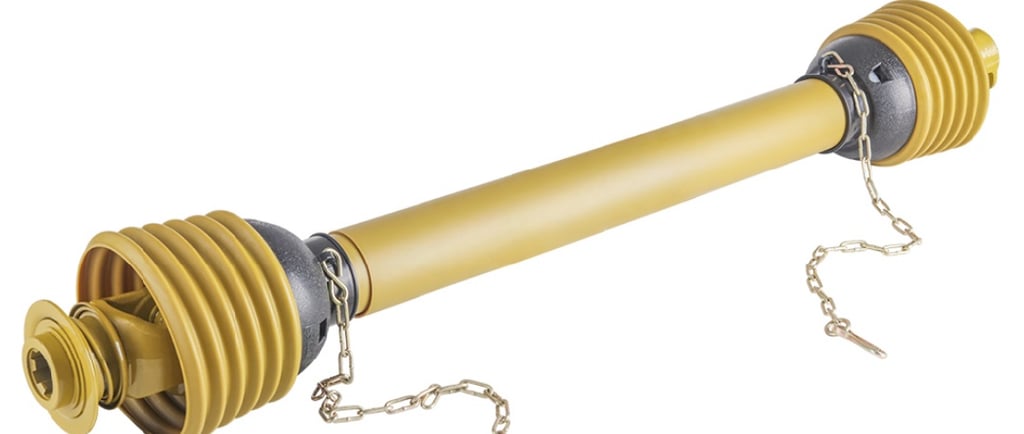
PTO (Power Take-Off) shaft yokes are essential components that facilitate the transmission of power from a tractor or vehicle to powered implements. These yokes come in various types, including end yokes, center yokes, weld yokes, and splined yokes. Each type serves a specific purpose and features distinct structural and material characteristics that impact their functionality.
Types of Yokes and Their Structures
End yokes are typically found at the extremities of PTO shafts, designed to connect the shaft to the attached equipment. They often have a universal joint connection, which allows for angular movement between the shaft and the implement. Center yokes, on the other hand, are positioned at the middle of the shaft. They primarily serve to provide stability and accommodate variations in length and angle.
Weld yokes are designed for applications where a fixed connection is necessary. They are welded directly to the shaft, providing a robust and secure joint. Lastly, splined yokes feature splined ends that allow for a more precision fit with the transmission shafts, enhancing torque transfer efficiency. The choice of yoke type largely depends on the specific application, load requirements, and spatial constraints of the setup.
Material Considerations for Durability
The materials used in yoke construction are critical to their durability and performance. Common materials include forged steel and aluminum, each offering distinct advantages. Forged steel yokes are favored for their strength and resistance to deformation under heavy loads. They can withstand high stress and are integral in heavy-duty applications. Aluminum yokes, while lighter, offer less strength but can reduce overall vehicle weight, improving fuel efficiency.
The connection of yokes with universal joints and transmission shafts is also fundamental. Universal joints allow for a flexible rotation between the yoke and the power source, accommodating the motion of machinery operated under various angles. The interaction between the yokes and these universal joints ensures smooth power transmission, which is crucial for the efficient functioning of machinery.
Conclusion
In conclusion, PTO shaft yokes are vital in the seamless operation of agricultural and industrial equipment. By understanding the different types of yokes—end, center, weld, and splined—and their respective materials, one can make informed decisions regarding their application and maintenance. Proper selection and understanding of these components contribute significantly to the overall efficiency and longevity of power transmission systems.
Quality
Expert driveshaft manufacturing with 20 years experience.
GET IN TOUCH
Tel:+86-571 88065675 | +86-571 88842852
E-mail:oceanindustry@vip.163.com
Fax:+86-571 88844378
Address:4th Floor, Block 2, Qianjiang Century Industrial Park, 2327 Hongning Road,Ningwei Town,Hangzhou, China
© 2005. All rights reserved.