
Understanding PTO Drive Shaft Requirements for Mowers in Hay and Forage Harvesting
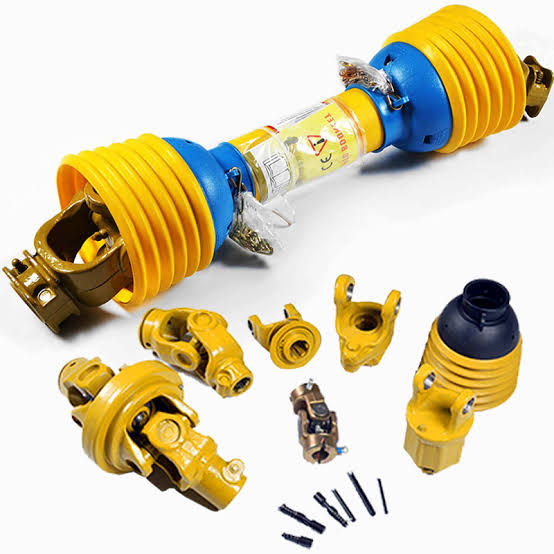
Introduction to PTO Drive Shafts in Agriculture
Power take-off (PTO) drive shafts are essential components in agricultural machinery, particularly in mowers designed for hay and forage harvesting. These shafts enable the transfer of power from the tractor's engine to various implements, ensuring efficient operation and maximum productivity. The functionality and reliability of PTO drive shafts are crucial as they provide the necessary mechanical energy to perform demanding tasks in the field.
The operational environment for mowers can be particularly challenging, with conditions often including varying terrain, moisture, and debris. As a result, PTO drive shafts must be robustly engineered to withstand these harsh conditions while maintaining performance. This need for durability is reflected in their design, which typically includes heavy-duty materials and construction techniques that can resist wear and tear. Notably, PTO shafts must also accommodate a wide range of operational speeds, ensuring they can adapt to the different power requirements of handling hay and forage equipment efficiently.
Moreover, the connection points of PTO shafts are critical, as they must provide a secure link between the tractor and the implement. This coupling prevents disengagement during operation and minimizes the risk of mechanical failure. Regular maintenance and inspection of these components are essential to enhance their longevity and ensure safe operation.
As agricultural practices continue to evolve, the requirements for PTO drive shafts have also increased. Operators are now seeking not only reliable operation but also solutions that improve efficiency and reduce operational costs. Therefore, understanding the specific PTO drive shaft requirements for mowers in hay and forage harvesting is paramount for farmers aiming to optimize their equipment and achieve higher yields.
Unique Challenges of Mower PTO Applications
Mower PTO (Power Take-Off) applications are characterized by specific challenges that distinguish them from other agricultural machinery uses. One of the primary concerns is the high-speed continuous operation requirements, typically calibrated at 1000 rpm. Such high rotational speeds demand components that can withstand elevated rates of wear and tear, ensuring durability and efficiency in demanding agricultural settings. Equipment must be designed meticulously to handle the stresses associated with these rapid cycles, as any failure could lead to both safety hazards and costly downtime.
Another critical aspect is the necessity for wide-angle joints, which allow for effective operation during sharp turns, particularly at headlands. When mowing in tight spaces or configuring field paths, the ability of the PTO drive shaft to accommodate these angles is paramount. Standard joints may not provide the flexibility required, increasing the risk of mechanical failure due to excessive angles or misalignment.
Inertial loads from heavy cutter heads also pose significant challenges for mower PTO applications. The weight and dynamics of these cutter heads can exert substantial forces on the drive shafts, necessitating robust engineering solutions to mitigate potential damage. Maintaining proper balance is crucial to ensure that inertia does not adversely affect performance or safety. Furthermore, agricultural environments expose mowers to crop debris and dust, which can severely impact the operation of PTO systems. The ingress of these particles can lead to premature wear or jamming of components, making it essential to implement protective measures in design.
Overall, understanding these unique challenges is vital for those involved in hay and forage harvesting, as addressing them effectively enhances the reliability and efficiency of mower PTO applications.
Importance of Wide-Angle Universal Joints
The drive shaft is a crucial component in the operation of mowers, especially when used in hay and forage harvesting. One of the key specifications that should not be overlooked is the type of universal joints used in the power take-off (PTO) shafts. Wide-angle universal joints have gained importance primarily due to their ability to accommodate significant changes in angles during operation. A wide-angle universal joint, particularly one rated for a minimum working angle of 70 degrees, is essential for maintaining optimal performance in disc mower conditioners.
In various agricultural applications, mowers frequently encounter situations that demand sharp turns. This is particularly true for disc mower conditioners, which often need to execute tight 90-degree turns. Standard universal joints may not adequately support such angular movements, leading to increased wear and potential failure of the PTO shaft. By utilizing wide-angle universal joints, operators can ensure smoother transitions and more efficient power transfer, significantly reducing the risk of operational downtime and maintenance costs.
Additionally, wide-angle universal joints help in minimizing the vibrations produced during mowing operations. Excessive vibrations can lead to not only a decrease in the efficiency of the mower but also increased mechanical strain. This translates into a longer service life for both the pto drive shaft and the mower itself. The ability to maintain a higher degree of flexibility and angle without compromising power loss or connection stability can be pivotal for achieving thorough and efficient cutting results.
In summary, choosing wide-angle universal joints for mower PTO shafts plays an essential role in enhancing performance, improving durability, and ensuring efficient operation during hay and forage harvesting. Given the nature of agricultural work and the specific demands of disc mower conditioners, investing in superior universal joint technology can lead to significant advantages in productivity and reliability.
Overrunning Clutches: A Safety Essential
In mower operations, particularly within the context of hay and forage harvesting, the use of overrunning clutches plays a crucial role in ensuring safety and preventing damage to the machinery. An overrunning clutch, commonly referred to as a one-way clutch, is designed to allow rotational motion in one direction while preventing it in the other. This feature is particularly important when disconnecting the Power Take-Off (PTO) while the cutter head remains in motion.
When the PTO is disengaged without an overrunning clutch in place, the inertia from the spinning cutter head can back-drive the tractor's driveline. This situation can lead to significant mechanical failures, ranging from damage to the tractor's transmission to potential safety hazards for the operator. The energy from the implement can forcefully rotate the PTO shaft in the opposite direction, putting excessive strain on components that are not designed to handle such forces.
By integrating an overrunning clutch within the PTO system, operators can ensure that the implement spins down safely without impacting the tractor's engine or gearing. Once the PTO is disengaged, the clutch effectively uncouples the tractor from the implement, allowing the mower blades to continue their deceleration without transmitting reverse torque back to the tractor. This mechanism not only preserves the mechanical integrity of the tractor but also enhances operational safety, preventing accidents that may arise from unexpected equipment movement.
Ultimately, the implementation of an overrunning clutch is not just a recommendation but a necessity for safe mower operation in hay and forage harvesting. It provides a simple yet effective solution to one of the more complex challenges faced by operators, standing as a testament to the importance of protective mechanisms in agricultural machinery.
Flail Mowers: Unique Clutching Needs
Flail mowers are vital tools in hay and forage harvesting, specifically designed to tackle dense vegetation and tough plant materials. Due to their operational characteristics, these mowers have unique requirements regarding PTO (Power Take-Off) drive shafts, particularly in the context of clutching mechanisms. A significant concern with flail mowers is the high rotational inertia they exhibit, which can lead to severe shock loads when the mower confronts stiffer and denser materials.
To mitigate these challenges, a heavy-duty slip clutch or ratchet clutch is essential. These types of clutches function to absorb the shock loads generated during use. Without an adequate clutching system, the risk of damaging the mower or the tractor increases significantly, potentially leading to costly repairs or downtime. A slip clutch allows for controlled slippage under extreme load conditions, protecting both the mechanism and the operator from harm, thereby enhancing operational safety.
Furthermore, the selection of a suitable PTO drive shaft is crucial for the effective performance of flail mowers. The drive shaft must not only accommodate the torque requirements but also withstand the challenges posed by varying crop densities. It is essential to have a drive shaft designed specifically for heavy-duty applications. Adjustments to the clutching system may be needed depending on the specific characteristics of the material being mowed. Operators should thoroughly assess the mower's requirements and choose a clutching mechanism that aligns with their use case.
In addition to proper clutching solutions, regular maintenance of the PTO drive shaft and clutch is imperative. Checking for wear and ensuring that all components function optimally can prolong the lifespan of both the flail mower and the tractor. A well-maintained system guarantees efficiency and reliability in the challenging environments often encountered during hay and forage harvesting.
Choosing Between 540 RPM and 1000 RPM
In the realm of hay and forage harvesting, selecting the appropriate PTO (Power Take-Off) drive shaft speed is paramount for optimizing the performance of your mower. Farmers and equipment operators often face the decision between 540 RPM and 1000 RPM systems. Both options cater to distinct mower sizes and operational requirements, influencing overall efficiency and suitability for varied applications.
The 540 RPM PTO speed is a common choice for smaller mowers and tractors. It is particularly advantageous for operations that benefit from lower power requirements and reduced fuel consumption. For instance, smaller farms or those utilizing compact tractors may find this speed more compatible, as it allows for adequate power delivery without overstraining the tractor engine. Additionally, the lower rotational speed contributes to less wear and tear on both the mower and tractor, potentially extending the lifespan of the equipment.
Conversely, the 1000 RPM option is typically suited for larger mowers or heavier-duty applications. It enables a more efficient power transfer, ensuring that implements can operate at higher speeds without compromising performance. This is particularly beneficial in expansive fields where time is of the essence, allowing for quicker operation during harvesting periods. Additionally, the higher RPM can be advantageous for maintaining optimal cutting quality, especially in tougher forage or dense grass conditions, where faster blade speeds can enhance cutting effectiveness.
Ultimately, the choice between 540 RPM and 1000 RPM should be grounded in an assessment of the specific yardage, forage types, and tractor specifications. Understanding how these RPM options affect performance, efficiency, and practicality will help in making an informed decision that aligns with your operational goals in hay and forage harvesting.
Safeguarding PTO Systems: Guarding Considerations
When it comes to the operation of mowers in hay and forage harvesting, the safeguarding of Power Take-Off (PTO) systems is paramount. The PTO guard plays a critical role in enhancing the safety of machinery by reducing the risk of accidents that can result from exposed moving parts. However, it is crucial for operators and equipment designers to ensure that the PTO guard is appropriately designed to avoid hindering the articulated hitch movement of the mower. This careful consideration contributes to maintaining both safety and functionality in agricultural operations.
The PTO guard must be structurally sound and able to withstand the rigors of agricultural environments, yet it should not inhibit the flexibility required for the mower to operate effectively. An obstructive guard can lead to mechanical failures or operational inefficiencies, which can disrupt the harvesting process. Therefore, it's essential to select guards that can pivot or adjust accordingly with the movement of the hitch system without compromising the integral safety features they provide.
Another important aspect of the PTO guarding system is adherence to safety regulations and standards. Operators should familiarize themselves with local agricultural safety guidelines that dictate requirements for guarding around rotating machinery. Regular inspections and maintenance of the PTO guard are also necessary to ensure it remains in optimal condition, further promoting safety within your operations.
Moreover, proper training for operators on the role of PTO guards, their maintenance, and the importance of ensuring hitch movement is not obstructed can significantly reduce risks. By prioritizing the thoughtful design of PTO guarding and ongoing educational efforts, stakeholders in the agricultural sector can enhance both the safety and productivity of mower operations.
Quality
Expert driveshaft manufacturing with 20 years experience.
GET IN TOUCH
Tel:+86-571 88065675 | +86-571 88842852
E-mail:oceanindustry@vip.163.com
Fax:+86-571 88844378
Address:4th Floor, Block 2, Qianjiang Century Industrial Park, 2327 Hongning Road,Ningwei Town,Hangzhou, China
© 2005. All rights reserved.