
Understanding the Synergy Between Universal Joints and PTO Shafts in Agricultural Equipment
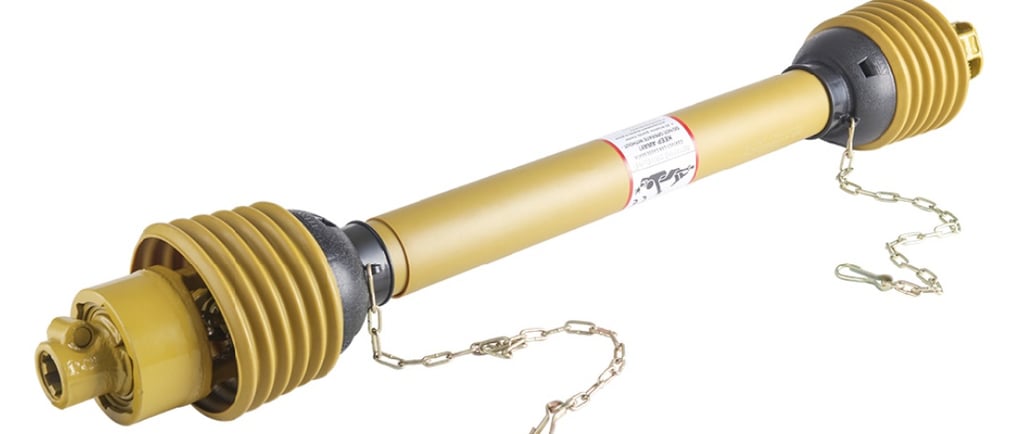
Introduction to Universal Joints and PTO Shafts
In agricultural equipment, the proper functionality of critical components such as universal joints and power take-off (PTO) shafts is essential for optimal performance. Both of these elements play a pivotal role in the transfer of power from engine to machinery, permitting operational efficiency even under challenging conditions.
Torque Transmission and Angle Adaptability
Universal joints are designed to accommodate torque transmission at various angles. When the alignment between a power source and implement is not perfectly straight, the universal joint permits the necessary flexibility. This flexing ability allows for smooth torque transmission, ensuring the continuity of power flow without interruption, even as the angle changes. As a result, agricultural machinery can operate effectively in diverse terrains, maintaining the required force to perform tasks such as tilling, harvesting, or plowing.
Speed Fluctuation and Design Considerations
The interaction between universal joints and PTO shafts has significant implications for speed fluctuation during operation. As the universal joint pivots through its range of motion, it can induce variations in the rotational speed of the PTO shaft. It is paramount for equipment designers to consider these fluctuations during the design phase to maintain stable and consistent operation. Implementing robust construction methods and selecting appropriate materials ensures both components can withstand the stresses of agricultural work while providing reliable operation under varying loads and speeds.
Conclusion
In conclusion, the effective partnership between universal joints and PTO shafts significantly enhances the performance and reliability of agricultural equipment. Understanding how these components work together to manage torque transmission, accommodate speed fluctuations, and maintain stability under diverse operational conditions is vital for achieving optimal agricultural productivity. Continuous innovation in the design and engineering of these components will foster improvements, ultimately benefiting the agricultural sector.
Quality
Expert driveshaft manufacturing with 20 years experience.
GET IN TOUCH
Tel:+86-571 88065675 | +86-571 88842852
E-mail:oceanindustry@vip.163.com
Fax:+86-571 88844378
Address:4th Floor, Block 2, Qianjiang Century Industrial Park, 2327 Hongning Road,Ningwei Town,Hangzhou, China
© 2005. All rights reserved.