
One-Piece Forged vs. Welded Assembled PTO Drive Shafts for Heavy Farming Operations
Introduction to PTO Drive Shafts
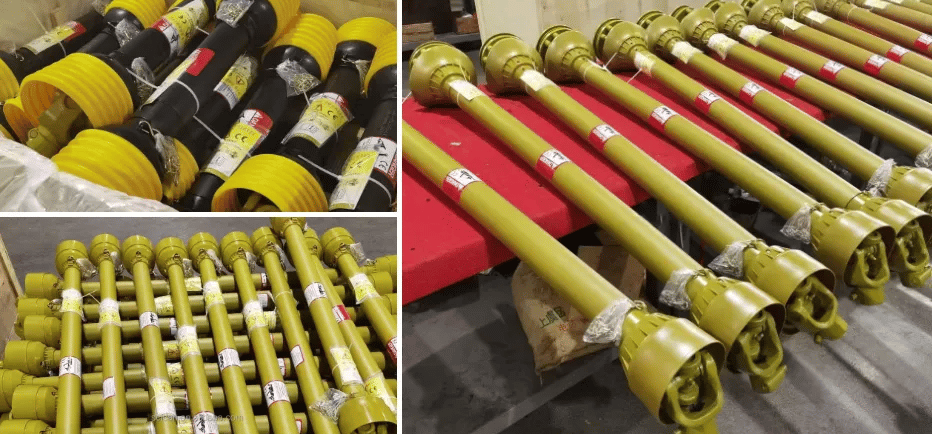
Power Take-Off (PTO) drive shafts play a critical role in agricultural machinery by facilitating the transfer of power from the tractor's engine to various implements used in heavy farming operations. These drive shafts allow for the operation of attachments and equipment, such as mowers, tillers, and balers, effectively enhancing productivity and operational efficiency on the farm. In simple terms, a PTO drive shaft is a mechanical device that connects the power output of a tractor to the input of an agricultural implement, enabling the machinery to function effectively.
In high-frequency heavy farm operations, selecting the right type of PTO drive shaft can significantly impact performance, durability, and ease of maintenance. The primary distinction in PTO drive shafts lies in their construction. The two main types under comparison are one-piece forged PTO drive shafts and welded assembled PTO shafts. One-piece forged drive shafts are created through a single solid piece of material, offering enhanced strength and reduced chances of failure during operation. On the other hand, welded assembled PTO shafts consist of multiple components that are joined together, which may allow for more flexibility in design but can sometimes compromise overall resilience.
Understanding the purpose and significance of PTO drive shafts, particularly in high-demand agricultural settings, is essential for farmers and equipment operators aiming to maximize their machinery’s output. This comprehensive analysis will explore the advantages and disadvantages of each type, offering insight into which option may prove more beneficial in varying operational scenarios. By examining both one-piece forged and welded assembled PTO drive shafts, the subsequent sections will aid farmers in making informed decisions that align with their operational needs and equipment requirements.
Structural Strength: One-Piece Forged vs. Welded Assembled PTO Shafts
When considering the structural integrity of PTO drive shafts, one-piece forged and welded assembled shafts present distinct differences that can significantly impact performance in heavy farming operations. One-piece forged PTO drive shafts are made from a single piece of material, typically high-strength steel. This manufacturing method results in a homogeneous metal structure that is less prone to failure under heavy loads. The lack of joints and seams minimizes the risk of weak points that could compromise durability and strength during operation.
On the other hand, welded assembled PTO shafts consist of multiple components that are joined together via welding. While these shafts can be designed to meet specific application needs and may offer versatility, the welding process introduces potential points of vulnerability. Areas where heat is applied during welding can alter the material properties, potentially leading to weaknesses that may not be present in a one-piece forged shaft. Additionally, the quality of the welds can vary, and if not performed correctly, they may become stress concentrators, increasing the likelihood of failure.
Furthermore, the performance of PTO drive shafts under dynamic loads is critical in heavy farming operations. One-piece forged shafts demonstrate superior fatigue resistance due to their continuous grain flow, enhancing their ability to withstand repetitive stress without significant deformation or failure. In contrast, such performance may be compromised in welded assembled shafts, particularly under high-stress conditions. Overall, understanding the differences in structural strength between one-piece forged and welded assembled PTO shafts is essential for selecting the right type for applications involving heavy loads and harsh environments.
Fracture Risk: Assessing Durability and Failures
The assessment of fracture risks in PTO drive shafts, particularly for heavy farming operations, is pivotal in determining their durability and reliability. One significant aspect to consider is the manufacturing process of the drive shafts, as it directly influences their susceptibility to fractures under operational stress. One-piece forged PTO drive shafts have been engineered to reduce failure points significantly. The forging process, which involves shaping the metal at high temperatures, results in a denser and more uniform grain structure. This minimizes the likelihood of weak points that could fracture under pressure, thus enhancing the overall durability of the drive shaft.
In contrast, welded assembled PTO drive shafts present a distinct challenge regarding fracture risks. While welding allows for flexibility in designs and dimensions, the joints created during the welding process can serve as potential weak spots. Under high-stress conditions such as heavy-duty farming, these weld joints may be susceptible to fatigue and subsequent fractures. Historical data shows that welded assemblies tend to experience higher failure rates, particularly in applications where constant torque and load variations occur. This is evidenced by numerous case studies, where incidents of failures at the welding joints were common, leading to downtime and costly repairs.
Statistical analyses revealing the failure rates of welded versus one-piece designs indicate a marked disparity. For example, fields of extensive farming operations have recorded up to 30% failure rates in certain welded assemblies, while one-piece forged shafts maintained a failure rate closer to 5%. These statistics underscore the importance of examining fracture risks when choosing PTO drive shafts for demanding agricultural tasks. Thus, the choice between one-piece forged and welded assembled drive shafts must consider not only performance factors but also the critical aspect of durability and fracture risk associated with each construction method.
Dynamic Balance Accuracy: Impact on Performance
In heavy farming operations, the performance of PTO drive shafts is crucial, and one of the most significant factors that impact this performance is dynamic balance accuracy. Drive shafts must operate smoothly to ensure efficient power transmission from tractors to various implements. A balanced drive shaft minimizes vibrations, leading to improved longevity of components and enhanced operational safety.
One-piece forged PTO drive shafts are generally favored for their superior dynamic balance accuracy. The uniform construction of these shafts allows for consistent material distribution, which contributes to a lower likelihood of imbalance during rotation. This consistency means that vibrations during operation are significantly reduced, resulting in smoother performance. As a result, equipment downtime due to maintenance or replacement can also be minimized, leading to increased productivity in the field.
On the other hand, welded assembled PTO drive shafts can suffer from several issues related to balance accuracy. The welding process can introduce imperfections, such as warping or misalignment, which may not only affect balance but also diminish the drive shaft’s overall performance. Assembly tolerances can further complicate this issue, as any misalignment during assembly can result in compromised balance, leading to excessive vibrations, decreased efficiency, and potential failure of the drive shaft during operation.
The implications of balance accuracy extend beyond just the drive shaft itself. Poorly balanced PTO drive shafts can cause excessive wear on bearings and other connected components, leading to increased maintenance costs and downtime. Therefore, selecting a PTO drive shaft with strong dynamic balance accuracy, such as a one-piece forged design, can be vital in enhancing the operational effectiveness of heavy farming machinery.
Machining Precision: Production Techniques and Outcomes
The production of PTO drive shafts is influenced significantly by the machining techniques employed in the manufacturing of one-piece forged and welded assembled varieties. One-piece forgings are created from a single block of metal that is heated and shaped into the final product. This process typically results in tighter tolerances and higher structural integrity because the material's grain structure is preserved during forging. Consequently, less machining is required to achieve the final dimensions, leading to a more consistent surface finish and enhanced durability in operational environments.
Conversely, welded assembled PTO drive shafts begin as separate components that are fabricated and then joined together through welding. This assembly process often necessitates more extensive machining to ensure proper alignment and fit of the components once welded. As a result, the production tolerances of welded assemblies may not match the precision found in one-piece forgings. The additional machining steps can create variations in surface finish and potentially introduce weaknesses at the weld points, affecting the overall performance during field operations.
The outcomes of these production techniques are considerable when evaluating their suitability for heavy farming operations. One-piece forged shafts are typically favored for their robustness and reliability, largely due to the enhanced machining precision achieved through the forging process. Specifically, the minimized number of joints and the uniform material properties lead to a more dependable performance under high-stress conditions, which is crucial in demanding agricultural environments. Therefore, while both approaches have their merits, the machining precision inherent in one-piece forgings often gives them a competitive edge in terms of longevity and efficiency in the field.
Production Lead Time and Wholesale Price Considerations
In the realm of agricultural machinery, selecting the appropriate PTO drive shaft is critical for optimizing performance and operational efficiency. One crucial aspect that procurement managers must address is the production lead time associated with one-piece forged and welded assembled PTO drive shafts. These two manufacturing methods have distinct processes that significantly influence their production timelines and associated costs.
One-piece forged PTO drive shafts typically require a more straightforward production process. The forging method involves shaping the material through the application of high pressure and heat, which can lead to a more expedited production timeline. This streamlined process often results in lower production lead times when compared to welded assembled options. Additionally, the durability and strength of one-piece forged shafts allow for potentially reduced maintenance costs, further enhancing their value.
On the other hand, welded assembled PTO drive shafts involve multiple components that necessitate careful assembly and welding processes. This complexity can lead to longer production lead times due to the need for individual part manufacturing and quality assurance checks at each assembly stage. Although this method may sometimes allow for greater customization, it often results in higher overall costs due to the labor and materials involved in the welding process.
From a financial perspective, the wholesale price for one-piece forged PTO drive shafts generally reflects their durability and reduced lead times, which may provide a better value proposition for high-frequency farming operations. Conversely, the additional costs incurred from the welded assembled shafts should be weighed against the potential benefits of customizable features. Ultimately, procurement managers must carefully evaluate both production lead times and wholesale prices to make an informed decision that aligns with their operational needs and budget constraints.
Conclusion: Which PTO Drive Shaft is Better for Heavy Farm Operations?
In analyzing the differences between one-piece forged and welded assembled PTO drive shafts, it becomes evident that each type offers distinct advantages and drawbacks that can significantly impact heavy farming operations. One-piece forged PTO drive shafts exhibit superior strength and durability due to their uninterrupted construction, making them less susceptible to failure under high-stress conditions commonly encountered in heavy agriculture. This reliability is crucial when considering continuous operation and the substantial investment in farm machinery.
Conversely, welded assembled PTO drive shafts offer the benefit of flexibility in design and repair. However, they may compromise on factors like longevity and resilience, particularly when subjected to the extreme conditions typical in intensive farming environments. Such shafts may have potential weak spots at the welds, which can lead to premature wear or sudden failures that could disrupt farming operations and incur costly downtimes.
Therefore, for high-frequency heavy farming operations, the recommendation leans toward utilizing one-piece forged PTO drive shafts. Their enhanced strength, longevity, and consistent performance make them an ideal choice for agricultural tasks that demand maximum efficiency and reliability.
As farmers and agricultural equipment managers seek the best solutions, it is essential to partner with reputable manufacturers. Hangzhou Ocean Industry Co., Ltd. stands out as a premier supplier, leveraging state-of-the-art forging production lines to provide high-quality one-piece forged PTO drive shafts. Their commitment to quality ensures that operators can trust their products to endure the rigorous demands of heavy farming applications. Choosing the right PTO drive shaft ultimately will enhance operational efficiency and contribute to overall agricultural productivity.
Quality
Expert driveshaft manufacturing with 20 years experience.
GET IN TOUCH
Tel:+86-571 88065675 | +86-571 88842852
E-mail:oceanindustry@vip.163.com
Fax:+86-571 88844378
Address:4th Floor, Block 2, Qianjiang Century Industrial Park, 2327 Hongning Road,Ningwei Town,Hangzhou, China
© 2005. All rights reserved.